The Catalyst Behind the August 3 Spike
Internet interest surrounding Aegon Targaryen surged following the release of House of the Dragon season 3, episode 7, which aired on August 3, 2026. Viewers flooded search engines and fan forums after witnessing a major narrative shift that broke weeks of relentless humiliation and defeat for the former king.
Since the brutal adaptation of the Battle at Rook's Rest in season 2, Aegon's storyline has been defined by severe physical injuries, painful hiding, and the presumed death of his bondmate, the golden dragon Sunfyre. Episode 7 upended that trajectory by revealing that Sunfyre survived, marking a monumental turning point for the Greens in the ongoing Targaryen civil war.
Throughout the entirety of season 3, Aegon has been forced into hiding, moving from place to place despite his difficulties walking, and even considering fleeing to Braavos. Because of his battle injuries, he hasn't been able to face anyone in combat and has had to temper his character and act more humble than usual just to survive. When he finally crossed paths with House Mooton's army—soldiers who answer to Rhaenyra Targaryen and were looking for Tyland Lannister—he reached a breaking point that let out all the anger that had been building inside him.
Understanding the Attention Mechanism
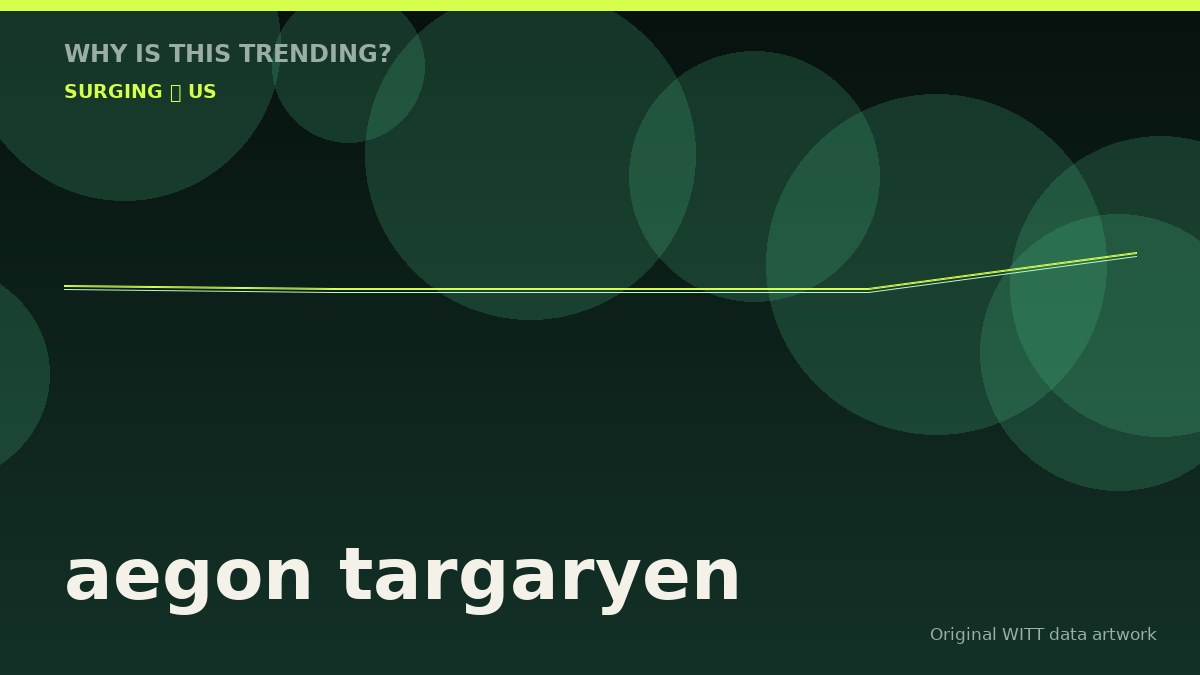
Google Trends charts recorded a sharp surge peaking on August 3, 2026. This digital traffic spike aligned perfectly with immediate post-episode analysis published by critics and recap writers. Rather than external promotional stunts or unrelated casting news, the traffic spike was fueled entirely by narrative shock value and the long-awaited payoff of a lingering Westerosi mystery.
Audiences responding to the episode found themselves captivated by the parallel suffering of rider and beast. As IGN noted in its review, the sequence where Aegon stands defiant against House Mooton's army while Sunfyre's heavy footsteps echo in the background directly reinforces the mystical, emotional bond between Targaryens and their dragons.
In the middle of his speech, the army and the audience hear the bangs of Sunfyre's steps getting louder until Aegon orders the army to behold him. To make things even more poetic, the creature has half his face completely disfigured, much like his rider. The convergence of Tom Glynn-Carney's intense performance, the physical mirroring of disfigurement, and the sheer narrative relief of a Green victory created a potent recipe for viral audience engagement. Search queries climbed rapidly as fans rushed to confirm whether the adaptation was adhering to the source material.
Signal Versus Noise in the Westeros Fandom
While internet discourse around the franchise often gets bogged down by debates over book deviations—such as discussions surrounding character fates or alternative interpretations of sequences—the attention on Aegon was pure, unadulterated plot momentum. Fans recognized that Sunfyre's return is not merely a nostalgic cameo, but a mechanical necessity for the impending conflicts of the civil war.
The following breakdown highlights how the narrative elements of episode 7 contrasted with broader seasonal reception across the fandom:
| Narrative Element | Fan & Critic Reception | Impact on Trend |
|---|---|---|
| Sunfyre's Survival | Overwhelmingly positive; viewed as a faithful and triumphant nod to the source material. | Primary driver of the search volume spike. |
| Aegon's Speech | Praised for giving Tom Glynn-Carney a powerful character reclamation moment. | Amplified emotional resonance of the scene. |
| Harrenhal Intrigue | Mixed responses regarding complex dream-state sequences and poison plots. | Secondary background discussion, minimal impact on the specific Aegon surge. |
What This Means for the Season Finale
The revival of Sunfyre instantly alters the geopolitical landscape of the Dance of the Dragons. Rhaenyra Targaryen sits firmly upon the Iron Throne, but she is now vulnerable on multiple fronts, with her half-siblings mobilizing across Westeros. With Aegon reunited with his scarred and defiant dragon, the Greens finally possess the momentum required to make upcoming conflicts a volatile confrontation.
As Winter is Coming points out, the penultimate episode successfully positioned all the pieces for an explosive conclusion. Whether viewers are analyzing the tactical implications of the dragon's return or bracing themselves for upcoming clashes at Tumbleton, the landscape of Westeros has fundamentally shifted. The digital surge around Aegon Targaryen is a clear signal that audiences are ready for the narrative pendulum to swing back toward high-stakes dragon warfare.