The Incident on the LAX Tarmac
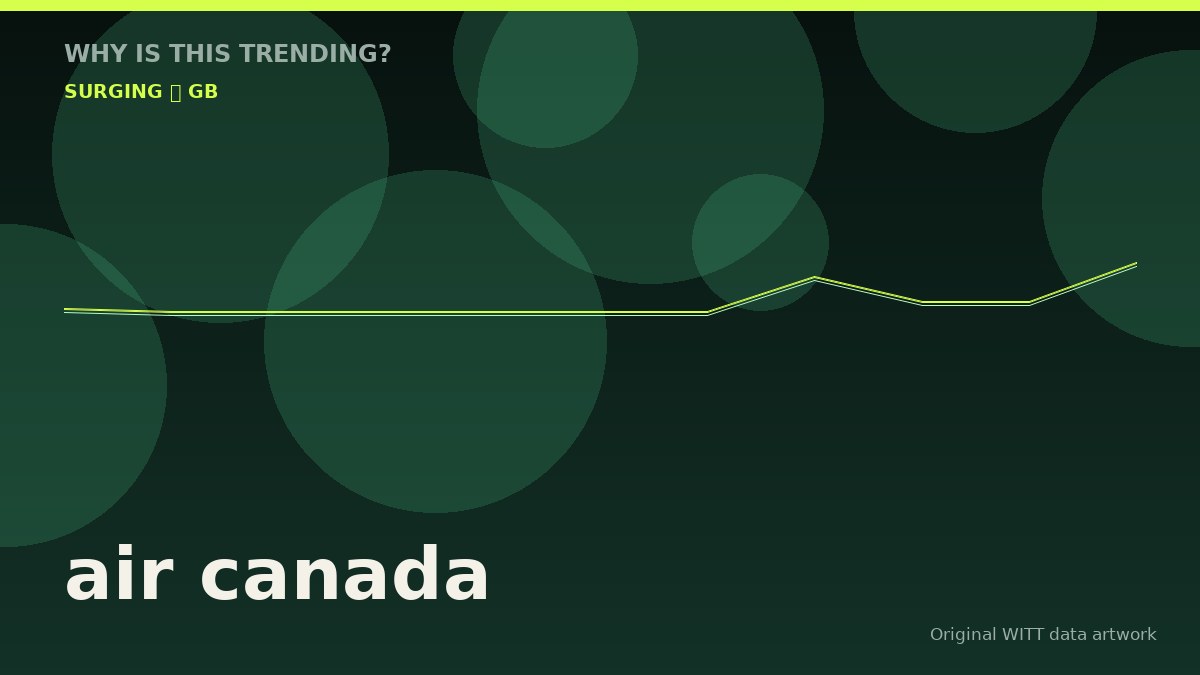
Global interest in Air Canada surged following a runway-area incident at Los Angeles International Airport (LAX) on the morning of October 6, 2026. The event occurred when a taxiing commercial jet made physical contact with an Air Canada aircraft that was moving across the tarmac during busy morning operations.
According to official reports from aviation authorities and the involved carriers, the specific aircraft and flights involved were:
- Delta Air Lines Flight 7: An Airbus A350-900 carrying 275 passengers and 15 crew members, which was taxiing for departure toward Tokyo's Haneda Airport.
- Air Canada Flight AC785: An aircraft that had just arrived from Toronto and was actively being towed to its arrival gate when the collision took place at approximately 10:30 a.m. local time.
The left wingtip of the Delta aircraft struck the tail or horizontal stabilizer of the Air Canada jet, leaving a visible gash and embedding a piece of the Delta winglet into the tail structure. Both aircraft were subsequently removed from service for comprehensive inspections and necessary repairs.
Safety Responses and Regulatory Investigations
Despite the dramatic visual impact recorded on video and shared widely across social media platforms, immediate reports confirmed that no passengers or crew members sustained injuries during the collision. Airport spokespersons noted that routine operations at LAX continued largely unaffected following the morning event, with flights maintaining their regular schedules.
Federal authorities stepped in quickly to determine the precise sequence of events on the taxiway. Both the Federal Aviation Administration (FAA) and the National Transportation Safety Board (NTSB) were notified and launched formal investigations into the ground-handling mishap.
While taxiing at Los Angeles International Airport, a Delta aircraft made contact with an Air Canada aircraft. Nothing is more important than the safety of our customers and people, and we apologize to our customers for the experience and delay in their travels.
Delta Air Lines Statement
Air Canada confirmed that its aircraft was occupied or managed under standard towing procedures before being struck from behind, while Delta noted it was actively cooperating with oversight bodies to evaluate recovery options for its displaced passengers.
Separating Signal From Noise in Airport Safety Discourse
When an incident like the LAX tarmac collision occurs, public attention naturally spikes across search platforms and digital news feeds. Eyewitness accounts from passengers aboard nearby flights—such as traveler observations regarding spatial awareness on busy taxiways—quickly amplify the story reported by the Los Angeles Times. However, it is essential for analysts and observers to separate immediate operational mishaps from broader institutional news.
While online searches for Air Canada reflect intense curiosity about the LAX collision, observers should distinguish this ground-handling event from entirely separate corporate or legal proceedings involving the airline. For instance, concurrent headlines covering historical cargo warehouse security and court testimony in Canada detailed by the National Post represent completely different operational domains. Conflating distinct logistical events creates a distorted picture of day-to-day airline safety and regulatory compliance.
Contextualizing Ground Traffic at Major International Hubs
Airports like LAX handle immense volumes of simultaneous aircraft movements, combining active departures, arrivals, and ground-towing operations in constrained spaces. Tarmac safety relies heavily on strict adherence to taxi clearances, clear line-of-sight communication between flight decks and ground crews, and continuous situational awareness. Incidents involving towed aircraft interacting with taxiing jets remind the aviation industry of the complex choreography required during peak operational windows.
Neither search trends nor early reports establish definitive causation or assign final fault; those determinations remain the strict purview of the FAA and NTSB as they review cockpit voice recordings, ground radar data, and air traffic control transcripts.
What to Watch Next
As federal investigators continue their reviews into the LAX taxiway operations, attention will turn toward official findings regarding ground-control communication, towing protocols, and situational awareness during peak departure windows. Travelers interested in airport safety can monitor official regulatory updates as investigators release further technical findings.