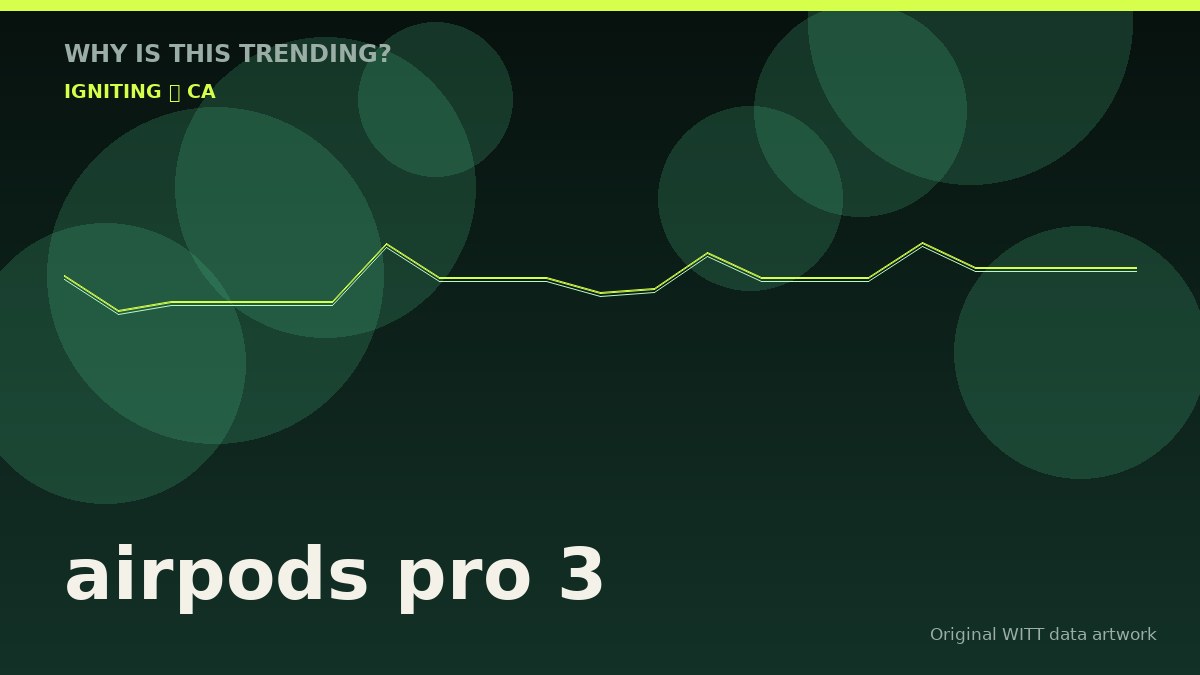
Decoding the Black Friday Retail Rush
When interest in a flagship technology product spikes overnight, it usually pays to examine the gap between corporate marketing presentations and actual consumer value. The surge of attention around the AirPods Pro 3 on November 27, 2026, perfectly encapsulates this dynamic. While Apple rolled out its annual four-day shopping event—offering structured gift cards meant to pull buyers back into future ecosystem spending—third-party platforms took a much more aggressive approach to immediate cash savings as detailed by MacRumors.
For prospective buyers navigating the holiday shopping landscape, understanding how different retail channels structure their promotions is the key to separating real bargains from standard seasonal marketing noise. The current attention cycle is not merely about a popular piece of hardware going on sale; it is a masterclass in modern retail positioning where online giants actively undercut manufacturer incentives to capture high-intent traffic during the year's busiest shopping weekend.
Signal Versus Noise: Retailer Price Cuts vs. Official Gift Cards
The primary driver of the current trend is a stark contrast in discount mechanics between direct-to-consumer channels and third-party resellers. Apple’s official Black Friday through Cyber Monday promotion relies entirely on deferred value. Buying the AirPods Pro 3 directly from an Apple Store yields a $50 Apple gift card, which locks the consumer into the brand's proprietary ecosystem for future transactions rather than reducing the initial cash outlay according to tracking reports.
Conversely, major online platforms slashed upfront prices to unprecedented levels. As reported by Fox News, Amazon knocked $100 off the manufacturer's suggested retail price, dropping the cost of the earbuds from $249 down to $149. This direct 40% price reduction created an immediate trigger for bargain hunters looking to mitigate broader economic pressures. Observers note that memory shortages, tariffs, and steady inflation have made everything from laptops to personal electronics more expensive over the past year, making a steep drop on a premier device a powerful signal for consumers trying to outsmart rising tech prices noted by Mashable.
What Makes the AirPods Pro 3 a Focal Point
Beyond the pricing mechanics, the hardware itself commands heavy attention due to a substantial generational feature leap. The third-generation earbuds introduce enhanced active noise cancellation supported by improved silicone ear tips, up to eight hours of listening time on a single charge, and integrated heart rate monitoring for workouts as outlined in product specifications.
Furthermore, the inclusion of clinical-grade hearing aid capabilities, a home hearing test feature, and Live Translation tools when paired with a compatible iPhone elevates the device past standard audio accessories. This expanded utility helps explain why consumers treat a $149 price point as a significant milestone worth investigating during the holiday sales window. Reviewers note that the earbuds stay securely in place during intense workouts and effectively silence background environments like household vacuums or gym music, solidifying their reputation as a worthwhile hardware upgrade rather than an incremental update.
Navigating Your Purchase Options and Inventory Realities
If you are looking to secure a deal on the AirPods Pro 3, timing and inventory are critical variables that demand close attention. Third-party markdowns fluctuate rapidly during holiday periods, and high-demand items frequently face stock depletion before shoppers can check out. Editorial tracking highlights that record-low pricing on popular tech accessories often vanishes quickly as online inventories run dry according to retail analysts.
Always verify current pricing directly with major retailers before making a final commitment, as promotional windows, color options, and stock levels can shift without notice. Check back closer to any future purchasing windows to see if matching discounts return once the initial Black Friday rush subsides.