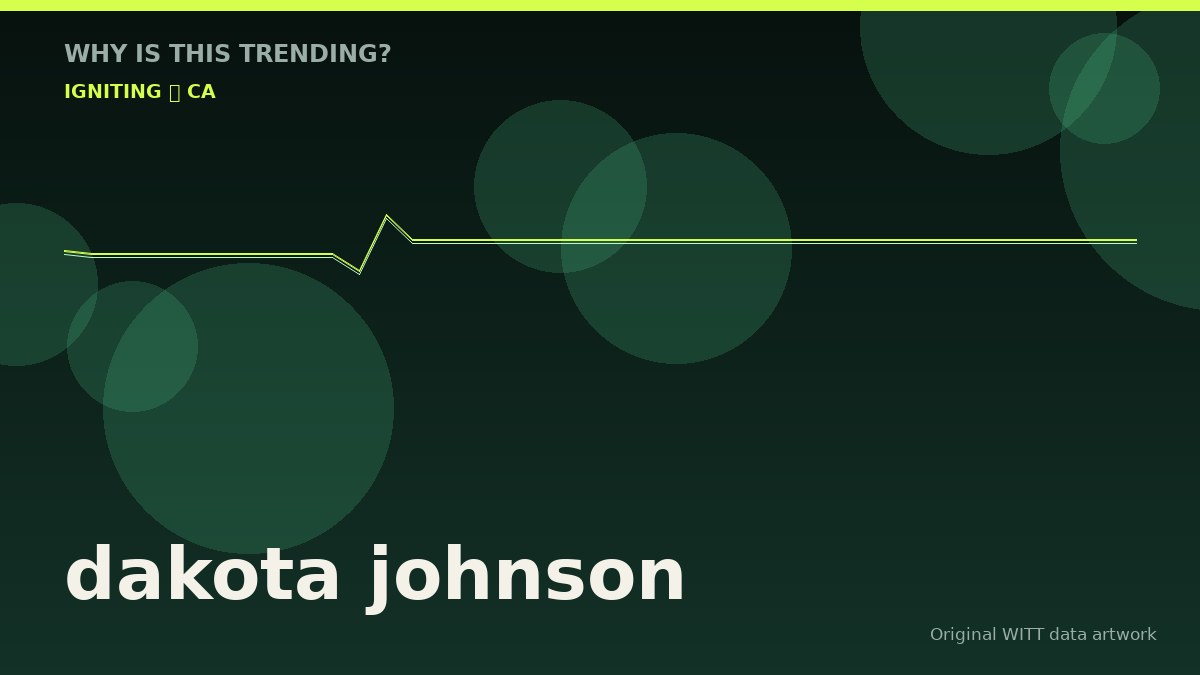
The Mechanics of an Instant Late-Night Spike
When public figures step onto the stage at Studio 8H, the resulting public attention is rarely born in a vacuum. Comprehensive trend forensics show that search interest surrounding Dakota Johnson surged directly in tandem with her live broadcast duties on on October 3, 2026. Rather than representing a standalone news event or an isolated headline, this digital momentum reflects a classic multi-layered pop-culture convergence: late-night television hosting obligations, timed promotional cycles for upcoming cinematic and musical projects, and a surprise guest appearance that instantly bridges separate fan communities across social media platforms.
Johnson marked her third time hosting the iconic sketch comedy series just ahead of her 37th birthday, placing her in an elite tier of hosts who celebrate their birthdays live on air. Yet the real catalyst for the digital amplification was not just the monologue's witty callbacks to her past projects—including self-deprecating nods to her film Madame Web
—but the deliberate weaving together of interconnected celebrity ecosystems during the opening minutes of the show.
Deconstructing the Monologue: Signal Versus Noise
To understand why the internet reacted so sharply to the broadcast, it helps to separate the calculated comedic performance from the underlying promotional machinery and social media chatter:
- The Signal: The unexpected arrival of Taylor Swift onstage to play the role of Johnson’s self-described relationship
therapist
provided immediate, high-value television that transcended regular sketch boundaries. - The Promotional Web: The bit directly reinforced ongoing cross-promotional efforts, cleverly nodding to Swift’s music video for
Patient Zero,
in which Johnson stars alongside Colin Farrell following its high-profile premiere at the MTV Video Music Awards. - The Noise: Pervasive social media speculation regarding specific historical or casual dating rumors—such as past high-profile relationships with musicians or quick geographical shoutouts to Cleveland—largely functioned as viral fuel rather than substantive news, feeding an audience appetite for celebrity inside jokes.
During the monologue, Johnson playfully addressed her history of dating musicians, joking about her splits from Coldplay frontman Chris Martin and singer Role Model, before Swift stepped in to interrupt as her relationship therapist
to air grievances about weekly wine-drinking sessions and oversharing. Swift later returned at the conclusion of the episode to surprise the actress with a celebratory birthday cake as she officially turned 37.
Contextualizing the Cross-Platform Ripple
It is crucial to remember that Google Trends data measures the relative intensity of user queries and search interest over a given time frame; it does not indicate absolute search volume, nor does it prove direct causation between a single television gag and broader cultural shifts. However, the exact alignment of these narrative threads demonstrates how modern entertainment marketing operates in real-time. By tying an SNL hosting gig to an active music video release, an upcoming psychological thriller adaptation (Verity
), and a well-timed cameo from one of the world's most visible pop stars, the broadcast guaranteed that clips would instantly circulate across TikTok, X, and entertainment news feeds long after the live airtime concluded.
When viewers searched for Dakota Johnson over the weekend, they were not looking for a conventional hard-news story. They were following the ripples of a tightly orchestrated pop-culture crossover that treated personal history, upcoming media releases, and late-night camaraderie as a singular, continuous loop of entertainment.
The Practical Takeaway for Media Consumers
For observers tracking media trends, moments like Johnson's third hosting stint serve as a masterclass in modern audience engagement. When analyzing why a particular celebrity suddenly dominates digital discussions, look past the immediate viral headline to find the structural drivers beneath. In this case, the intersection of network television scheduling, pre-planned musical video tie-ins, and surprise guest appearances created an unavoidable feedback loop. Recognizing these patterns helps separate organic cultural curiosity from professionally engineered promotional triumphs.