Why the Market Is Fixated on Lendlease Right Now
Attention spiked on November 23, 2026, after Lendlease issued a blunt denial of market chatter that it would need to raise fresh equity to shore up its balance sheet (Yahoo Finance). In a normal cycle, a routine liquidity update might pass unnoticed. Here, the statement landed amid a 68 percent share-price decline over the past year and a $2 billion erosion of market value (Australian Financial Review), turning a defensive press release into a flashpoint for investors, analysts, and former insiders.
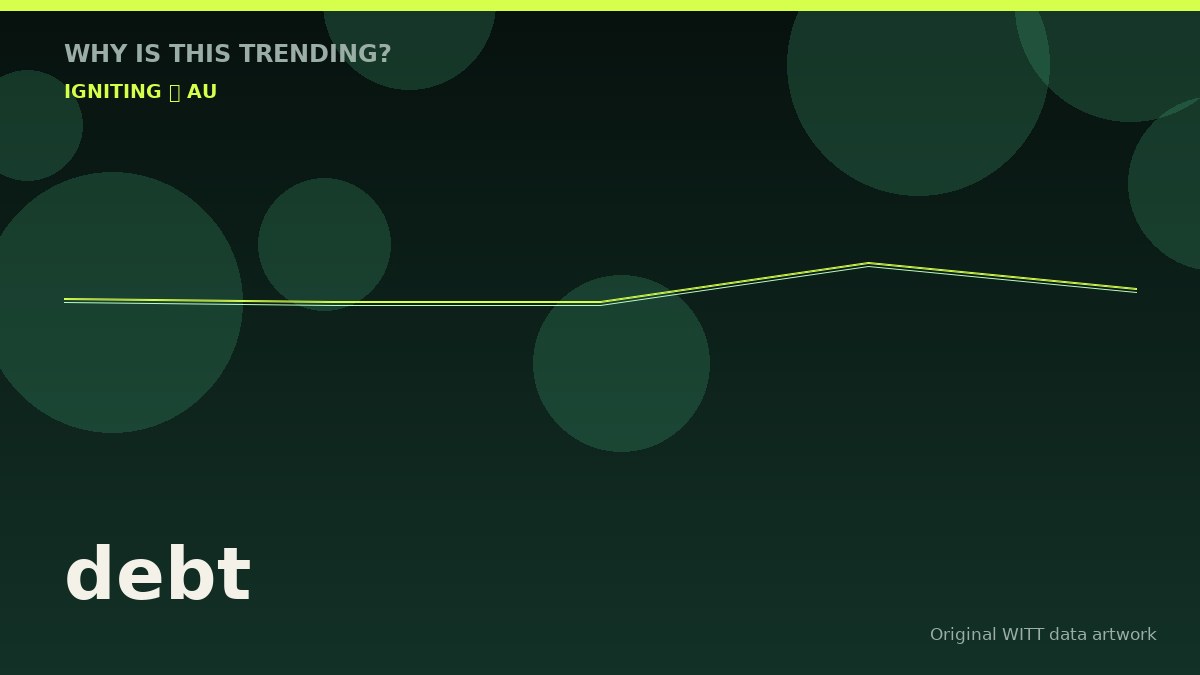
The surge in public discussion reflects a collision of two narratives: management's insistence that existing cash reserves and undrawn credit facilities are sufficient, and a market that has priced the stock as if a capital event is inevitable. Google Trends attention measures the intensity of that conversation across news and finance platforms—not raw search volume—and it spiked because the company drew a hard line in the sand just days before its annual general meeting.
The Balance-Sheet Picture Management Wants You to See
Lendlease's statement emphasizes a "deliberate and disciplined approach to capital management" and points to ample liquidity from cash on hand and undrawn facilities (Yahoo Finance). On its face, that is a standard reassurance playbook: rule out dilution, signal confidence, and buy time until the next scheduled update.
What makes this iteration different is the shadow cast by two flagship property funds. Together they control roughly $8 billion worth of office towers and warehouses, and both face the prospect of being transferred away from Lendlease (Yahoo Finance). The market is not merely asking whether the group can pay its bills next quarter; it is asking whether the asset base that historically defined Lendlease's earnings power is being permanently reshaped. Until the fund outcomes are resolved, liquidity assurances and solvency assurances are not the same thing.
Signal Versus Noise: What the Price Action Is Really Saying
A 68 percent annual decline (Yahoo Finance) is rarely just noise. It embeds expectations of further write-downs, fund-management fee losses, and the possibility that the company's cost of capital has structurally risen. The noise layer consists of day-to-day speculation about an imminent equity raising—precisely what management ruled out. The signal layer is the market's verdict that the current strategy, asset mix, and governance are not worth the book value implied a year ago.
That verdict gained weight when former Lendlease executive and former Mirvac chair John Mulcahy went on the record: poor decision-making means the company can never regain its once-dominant position after a three-decade decline (Australian Financial Review). Mulcahy's critique moves the conversation from a cyclical property downturn to a structural competence question. When a former peer who ran a major competitor says the model is broken, the market listens—and the trend intensifies.
The AGM as a Forcing Mechanism
Wednesday's annual general meeting is the next hard catalyst. Chairman John Gillam and chief executive Nick O'Neil will face shareholders who have watched $2 billion evaporate (Australian Financial Review). The agenda is effectively set by the gaps in the November 23 statement:
- How, specifically, will debt be serviced and reduced without fresh equity if fund transfers reduce recurring fee income?
- What is the realistic timeline and valuation range for the $8 billion in fund assets, and how much of that value accrues to Lendlease versus incoming managers?
- What governance changes, if any, respond to the critique that decision-making has eroded the franchise over three decades?
Management has promised a "further update" at the meeting (Yahoo Finance). In practice, that update is the only near-term tool to narrow the gap between the liquidity narrative and the market's solvency skepticism. If the commentary is vague, the trend will likely sustain; if it is granular and credible, the attention spike may prove to be a one-week event.
What Investors and Observers Should Track Next
Do not confuse the Google Trends surge with a verdict on Lendlease's viability. The spike measures heightened scrutiny, not a confirmed outcome. The practical takeaway is threefold: first, watch the AGM transcript for concrete numbers on fund-transfer negotiations and debt maturities, not just qualitative reassurance. Second, monitor whether any major shareholder breaks ranks publicly—silence from institutions often speaks louder than retail chatter. Third, recognize that the structural bear case articulated by Mulcahy (Australian Financial Review) will outlast any single meeting; a capital-raising denial today does not preclude a strategic recapitalization tomorrow if fund outcomes disappoint.