The Mechanics of a Mid-Season Spike
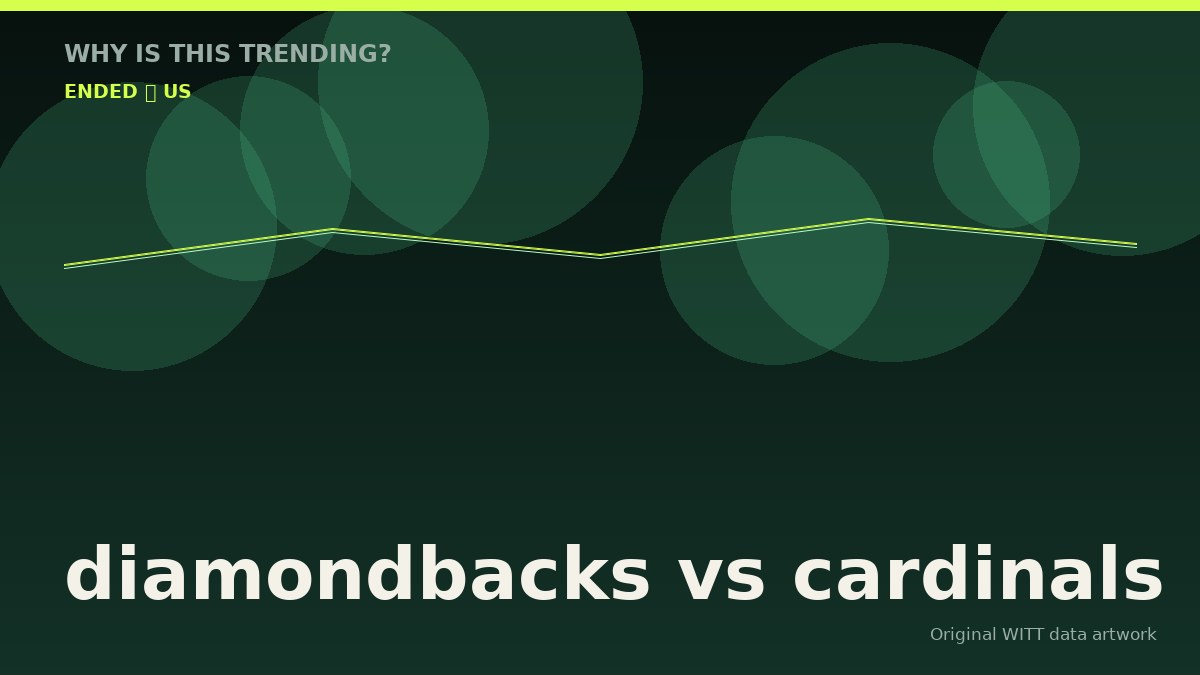
On July 23, 2026, at approximately 21:20:03 UTC, Google Trends registered a distinct, rapid spike in search interest regarding the Arizona Diamondbacks and the St. Louis Cardinals. This surge was not the result of a viral social media controversy or an external, non-sporting event. Instead, it was a classic case of real-time utility-driven search behavior. The spike coincided precisely with the lead-up to a 4:15 p.m. CT make-up game at Busch Stadium, a contest that had been rescheduled following a rainout on June 25 as reported by the St. Louis Post-Dispatch.
In the world of professional baseball, make-up games often disrupt the standard rhythm of a fan's week. Because this game was added to the schedule as part of a doubleheader, it created an immediate information gap. Fans were not searching for rumors; they were searching for the practicalities of a high-leverage game: starting lineups, pitching rotations, and the implications for the National League wild-card race.
Signal vs. Noise: The Wild-Card Context
The attention surrounding this game was rooted in genuine competitive stakes. Entering the contest, the Diamondbacks held a razor-thin lead over the Cardinals in the wild-card standings. The urgency of the matchup was compounded by the fact that Arizona had already secured a series advantage in previous meetings, making every additional game between these two clubs a potential tie-breaker scenario. Yahoo Sports noted that the Diamondbacks entered the game with a narrow margin over both St. Louis and the Pittsburgh Pirates, highlighting why the outcome of this specific afternoon game was of intense interest to baseball observers.
The search volume reflects the "signal" of a dedicated fanbase tracking a tight postseason race. The "noise"—or the lack thereof—is equally telling. There was no widespread speculation or off-field drama driving these queries. The data confirms that the interest was strictly tied to the game's timeline and the immediate impact on the standings.
The Anatomy of the Search Surge
When an unexpected game appears on the calendar, the search mechanism shifts from casual browsing to active verification. The spike reached an attention index of 76, a significant level of intensity for a mid-week afternoon game. This behavior is typical when fans need to verify:
- Lineup Adjustments: With players like Ketel Marte being scratched for back tightness, fans turned to search to confirm the revised starting roster.
- Pitching Matchups: The scheduled duel between Brandon Pfaadt and Michael McGreevy was a focal point for those analyzing the game's potential outcome.
- Broadcast Information: As a non-standard game time, viewers needed to confirm where and how to watch the broadcast.
Why This Matters for the Season Trajectory
The intensity of this search spike underscores the psychological weight of the 2026 wild-card race. While the game itself was a logistical necessity to clear a rainout, it functioned as a high-pressure environment for both organizations. The Diamondbacks’ ability to adapt—whether through mechanical adjustments to their pitching staff or managing roster depth—has been a recurring theme in their season. Conversely, the Cardinals’ search for consistency in their bullpen and offensive output has made every game against a direct rival a referendum on their postseason viability.
Ultimately, the surge in interest on July 23 serves as a reminder that in the modern era, the most significant spikes in search volume often occur when the sport delivers exactly what it promises: a high-stakes contest between two teams fighting for the same goal. The attention was a direct response to the reality of the standings, proving that when the math of the wild-card race gets tight, the audience is paying close attention to every pitch.