The Red Carpet Shockwaves
When high fashion meets grotesque provocation, the public takes notice. Recent public appearances by some of the world's most recognizable celebrities have thrust unconventional design choices directly into the mainstream spotlight. According to AP News reporting, high-profile figures including Zendaya, Demi Moore, and Lady Gaga were photographed wearing outfits explicitly described as ‘fecal matter’ during high-profile gatherings spanning from early February to mid-July 2026.
These outfits, associated with avant-garde aesthetic explorations, broke traditional red carpet conventions. By fusing high-end tailoring and couture staging with bodily-waste motifs, the ensembles instantly bypassed standard fashion commentary to trigger widespread public debate, confusion, and fascination across social media networks.
The visual impact of these garments relies heavily on subverting expectations. Red carpets are traditionally spaces designed to showcase aspirational glamour, immaculate tailoring, and classical elegance. When major cultural icons deliberately subvert those expectations by wearing pieces that evoke biological repulsion, they create an immediate cognitive dissonance that audiences feel compelled to decode, discuss, and share.
Tracing the Attention Spike and Digital Momentum
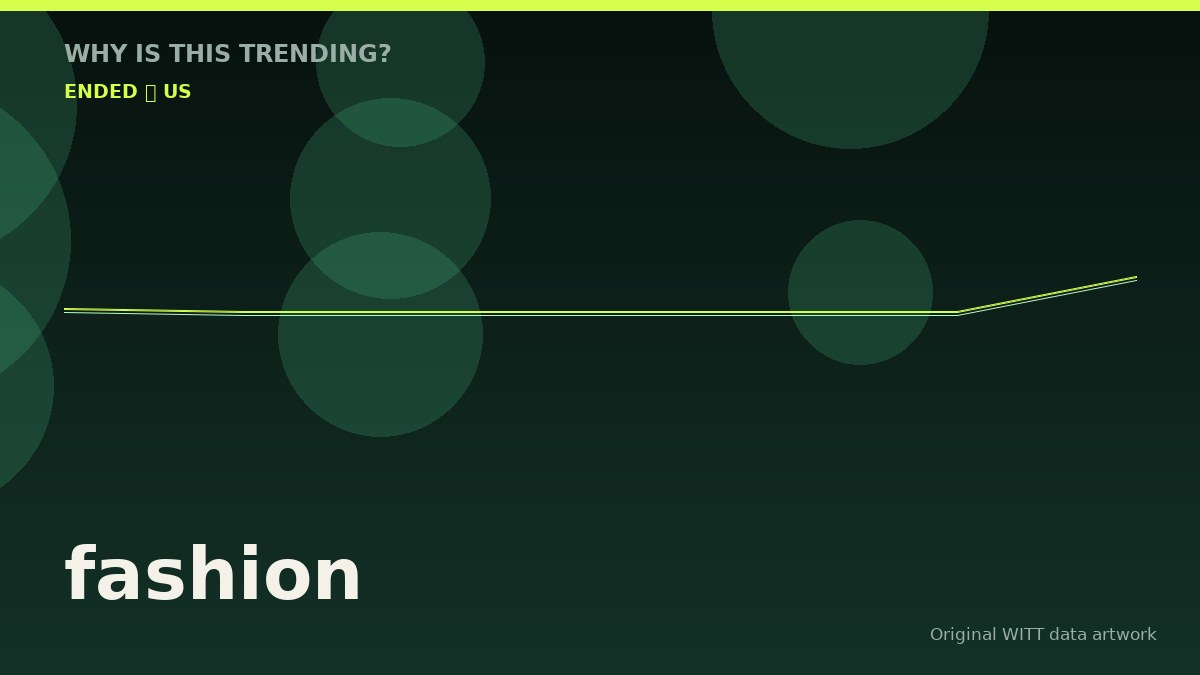
The cultural conversation transformed into a quantifiable digital surge immediately following major journalistic coverage. Google Trends recorded a significant attention index of 55.61 for the broad query ‘fashion’ on August 8, 2026, marking the earliest measurable surge of this cycle according to AP News data. This sharp upward movement occurred within 24 hours of the publication of the investigative style piece that cataloged the controversial looks.
It is crucial to separate this Google Trends activity from direct search-volume estimates or definitive proof of causation. While the data confirms an undeniable spike in curiosity following the article's release, it reflects collective attention patterns and web interest rather than a unified consumer movement or a singular commercial market shift. Observers tracking these trends must recognize that media amplification often acts as the primary catalyst for sudden digital interest, turning niche runway experiments into widespread public discourse.
Signal Versus Noise in Avant-Garde Outfits
In the ecosystem of modern celebrity style, distinguishing between a genuine artistic movement and temporary shock-value noise can be difficult. The signal here lies in how luxury houses continue to leverage disgust and subversion to puncture an increasingly saturated digital media media landscape. When traditional beauty standards no longer shock audiences accustomed to endless digital feeds, designers turn to visceral, bodily references to command airtime.
To understand how this trajectory built over time, consider the recorded timeline of these statements:
- February 1, 2026: Lady Gaga arrives at the 68th annual Grammy Awards in Los Angeles, setting an early baseline for dramatic staging and conceptual risk-taking.
- May 16, 2026: Demi Moore appears as a jury member at the 79th international film festival in Cannes, France, wearing striking conceptual attire that captures international press attention.
- July 14, 2026: Zendaya attends the premiere of “The Odyssey” in New York City, cementing the trend's summer momentum and driving subsequent comprehensive retrospectives.
These milestones demonstrate that the aesthetic choice was not a one-off styling error, but a coordinated escalation by celebrity stylists pushing the boundaries of red-carpet acceptability over several months.
Contextualizing the Broader Implications
Ultimately, the fascination with fecal matter-themed clothing highlights the enduring power of visceral theater in celebrity culture. As audiences grow numb to conventional glamour, the threshold for capturing collective attention requires crossing into uncomfortable, repellent, or deeply bizarre territory. Whether this aesthetic will influence everyday consumer wardrobes or remain an isolated red-carpet spectacle depends entirely on how much shock value the fashion industry can sustain before the audience looks away.
For now, the intersection of high fashion and visceral body-horror themes serves as a masterclass in modern attention harvesting. By shocking the senses and defying polite discourse, these celebrity styling choices guarantee that even the most fleeting red-carpet moments achieve lasting digital resonance.