Decoding the Digital Spike and Media Mechanics
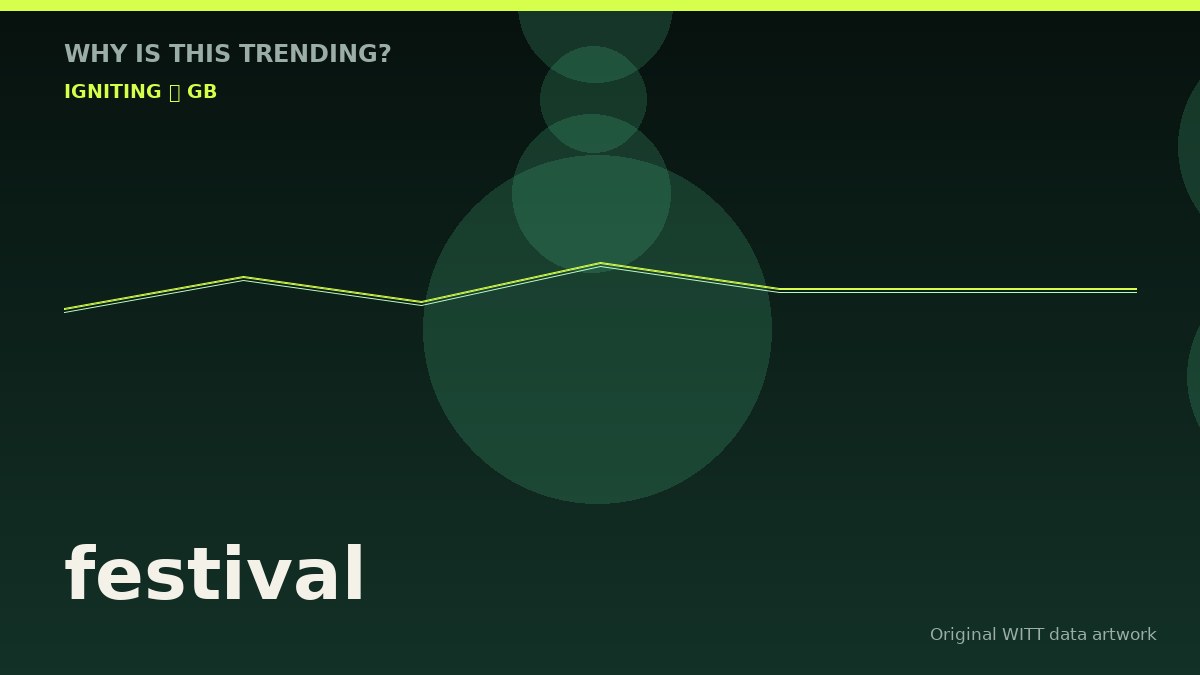
When tracking shifts in web attention, it is vital to distinguish between a sudden surge in search interest and permanent proof of causation. Google Trends recorded a pronounced attention spike for the query festival
in the UK, peaking sharply during the midday hours as reported by BBC News. This sudden wave of public curiosity did not materialize out of thin air; it coincided precisely with widespread media coverage surrounding the UK's longest-running punk gathering and its momentous anniversary announcements.
Rather than pointing to a random fluctuation, the data reflects a classic media-driven attention loop. Milestone announcements act as powerful catalysts in the modern digital ecosystem. When major cultural anniversaries hit the news cycle simultaneously with live performance updates, public interest naturally concentrates on related search terms. However, we must remain clear-eyed: search trends measure attention, curiosity, and the timing of news distribution, not direct transactional intent or proof of sudden commercial changes.
Half a Century of Noise, Nostalgia, and Cultural Heritage
The immediate driver behind this wave of attention is a monumental historical milestone. The event marks 50 years since punk first emerged onto the British music scene, while the festival itself—initially known as Holidays In The Sun in a nod to the Sex Pistols single—celebrates its own decades-long legacy according to BBC News coverage. Over the years, the gathering has cemented its status as a vital pilgrimage site for fans, maintaining a fierce reputation for defying mainstream musical tides and commercial homogenization.
What makes this year's cultural resonance particularly potent is the deliberate blend of historical heritage and active live momentum. Before the main four-day event kicks off across six stages at the Blackpool Winter Gardens, organizers rolled out high-profile run-up events and intimate opening parties. These warm-ups featured legendary figures such as Adam Ant and Neville Staples of The Specials noted the BBC, alongside a diverse curtain-raiser bill featuring performances from Steve Conte, Monty Oxymoron of The Damned, and theatrical presentations covered by Louder Than War. This deliberate staging grounds the anniversary in active artistic output rather than passive nostalgia.
Signal Versus Noise in Festival Demand
It is easy for casual observers to misread short-term search spikes as sudden panic buying, last-minute ticket scrambles, or an unexpected surge in audience numbers. However, the underlying reality of this event points in the exact opposite direction. The massive gathering sold out five months in advance as confirmed by festival organizers, proving that consumer demand and attendance capacity were completely locked in long before the recent headlines ever dropped.
Therefore, the search spike functions as a pure signal of cultural validation and media amplification rather than a transactional indicator. It demonstrates that legacy counter-cultural movements retain a massive, highly engaged footprint in the national conversation. When a festival showcases up to 300 acts—ranging from established veterans like UK Subs, Cock Sparrer, and The Stranglers to emerging voices like Millie Manders and the Shutup, Maid of Ace, and Split Dogs—it commands attention simply by outliving expectations and staying fiercely true to its foundational ethos.
The Broader Multi-Disciplinary Footprint
Beyond the high-decibel performances on six separate stages, the festival's enduring relevance stems from its multi-disciplinary approach to youth culture and heritage. The event incorporates a dedicated literary festival, an independent radio station, and extensive art exhibitions as detailed in festival reports. This holistic immersion explains why generations of music fans—with some attendees even bringing their children and grandchildren—continue to treat Blackpool as a spiritual home every August.
Ultimately, the sudden attention surge serves as a timely reminder that cultural longevity is built on community endurance rather than fleeting algorithmic trends. While the search metrics will naturally recede once the amplifiers are packed away and the crowds disperse, the underlying commitment of a subculture that has thrived for half a century remains entirely undisturbed by the ebbs and flows of web traffic.