A Major Break From 1990s Tradition
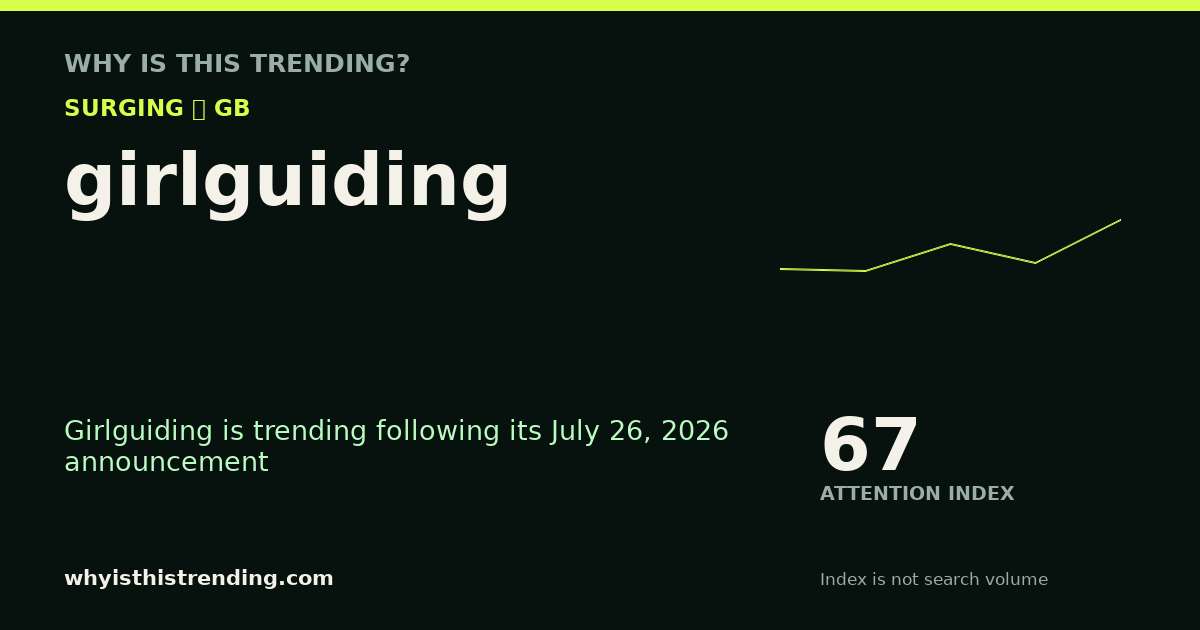
For the first time in more than three decades, Girlguiding has overhauled its entire apparel range simultaneously as reported by BBC News. Announced on July 26, 2026, the sweeping redesign replaces a look that had remained largely intact since 1990. The refresh spans Rainbows, Brownies, Guides, and Rangers, introducing a modular collection built around contemporary tastes rather than rigid, one-size-fits-all requirements.
Rather than mandating full specialized outfits for meetings and activities, the organization has implemented a pared-back dress code. Under the updated guidelines, members only need to wear a top from the new range to be considered officially in uniform according to The Guardian. This flexibility is designed to remove longstanding barriers to participation and comfort.
Organizations managing century-long histories often struggle to balance institutional heritage with modern expectations. By revisiting choices established during previous decades, Girlguiding is signaling a clear cultural pivot toward meeting young people where they are, rather than expecting them to adapt to legacy templates.
Listening to the Data: What Members Wanted
The overhaul was not dreamed up behind closed doors by corporate stylists. It followed extensive consultations involving 55,000 girls and women as detailed in Guardian reporting, paired with a June survey of 2,000 UK girls aged six to 16. The numbers revealed a striking consensus among younger generations regarding autonomy:
- 93% of surveyed girls stated they felt most comfortable when able to choose how they styled themselves according to BBC Newsround.
- 47% reported feeling most confident when selecting their own everyday clothing.
- 33% specifically cited the freedom of self-expression as their primary driver for confidence.
- 41% noted that strict uniform regulations elsewhere—such as standard school dress codes—actively hindered their personal expression.
Girlguiding chief executive Felicity Oswald emphasized the psychological link between these findings, noting that self-expression and confidence go hand in hand noted by The Guardian.
Inside the New Collection
Designed over a two-year period by HemingwayDesign alongside input from thousands of members, the new line balances the charity's historical identity with modern utility reported by The Guardian. The comprehensive range includes 30 distinct clothing items, 15 accessories, and traditional neckerchiefs, with entry-level T-shirts starting at £12 according to BBC News.
Practical adjustments stand out across the inventory. The garments feature modern styling elements requested by members, including hidden pockets built into waistbands, functional thumb holes, and versatile badge sashes designed to double as cross-body bags noted by BBC News. Ambassador and broadcaster Angellica Bell praised the rollout, stating that it empowers participants to embrace their individuality highlighted by BBC News.
Furthermore, the charity has structured the transition to be economically considerate for families. Members are under no pressure to purchase items immediately, and older uniforms remain valid until replacements are naturally required per Guardian reporting. Free summer workshops are also scheduled to help members upcycle legacy garments into new accessories.
Signal Versus Noise: What Matters Next
When an organization with over a century of heritage shifts its visual identity, public curiosity naturally spikes across digital platforms. Observers should carefully separate routine administrative updates from this substantive pivot toward member autonomy. The surge in attention captured by search trends reflects a broader public interest in how legacy youth groups adapt to contemporary values of inclusion, mental well-being, and personal choice.
The core signal here is unmistakable: long-standing institutions are finding that modern engagement and membership retention rely heavily on youth agency. As public conversation continues to unfold, the success of this transition will be measured not by initial headlines, but by how effectively the new flexibility translates into daily comfort and confidence for the organization's 300,000 members and 80,000 volunteers.