Decoding the Morning Media Spike
When a media institution like Good Morning America
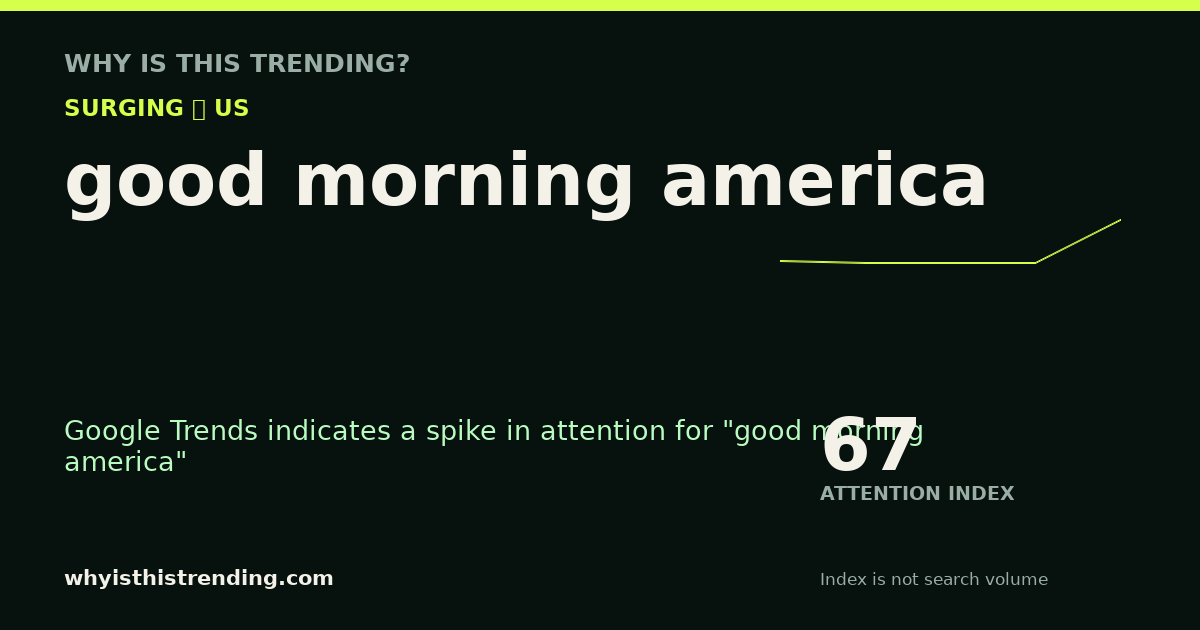
experiences a sudden wave of online curiosity, it is easy to mistake the movement for a singular viral broadcast clip or breaking news flash. Yet, a closer examination of the digital ecosystem reveals a structured convergence of consumer habits driven by seasonal realities. Google Trends captures a pronounced surge in attention directed at the broadcast query, aligning precisely with the release of digital lifestyle and shopping content addressing a very specific physical hurdle: exercising when ambient temperatures and humidity climb to punishing levels (Luxury London).
The attention mechanism here is fueled by immediate practical utility. Summer activewear guides published by outlets like Good Morning America feature fitness experts detailing how to stay cool during high-sweat routines, shifting consumer focus away from heavy winter layers and toward technical, moisture-wicking fabrics (Good Morning America). Rather than an isolated anomaly, the spike illustrates how morning television brands capture digital momentum when their service journalism matches the immediate physical needs of their audience.
Understanding this dynamic requires looking at how lifestyle reporting operates during peak summer months. Fitness experts and style editors frequently coordinate releases to address seasonal discomfort, providing readers with actionable steps to maintain their routines without overheating. When these digital shopping guides and expert segments hit the web, they drive immediate ripples across search engines as consumers look up specific brands, fabrics, and accessories mentioned in the broadcasts.
Signal Versus Noise in Seasonal Fitness Trends
To separate genuine signal from ordinary web noise, analysts must look closely at what actually changed in the media cycle. Mid-summer brings intense heat across wide regions, creating an operational challenge for runners, weightlifters, and studio enthusiasts alike. Publications responded to this environment by systematically shifting their editorial coverage toward temperature regulation, fabric performance, and gear optimization.
It is important to contextualize what search trends can and cannot prove. A surge in search interest reflects heightened user engagement and digital curiosity; it does not automatically quantify exact product sales, nor does it establish a direct line of causation proving that a single broadcast segment caused every viewer to shop. Furthermore, morning broadcasts juggle multiple simultaneous storylines—such as high-profile guest co-hosts filling in on the anchor desk (NorthJersey.com). However, when examining the specific search intent surrounding apparel and hot-weather fitness advice, the digital trail clearly points toward consumer interest in beating the heat.
Distinguishing between noise and signal also means recognizing that web traffic spikes are multi-causal. A viewer might type a morning show's name into a search bar because of a guest appearance, a musical performance, a news debate, or a shopping segment. On July 29, 2026, the convergence of expert fitness fashion features created a distinct cluster of search behavior focused squarely on activewear.
What to Wear When the Temperature Rises
Fitness and style recommendations published across the web emphasize that maintaining an exercise routine during hot months requires deliberate adjustments to both wardrobe choices and daily scheduling:
- Fabric Selection: Swap out heavy leggings and long-sleeved workout shirts for lightweight, breathable, and sweat-wicking materials that actively assist in regulating core body temperature and keeping sweat at bay.
- Discipline-Specific Gear: Tailor clothing choices directly to your activity—opting for streamlined performance swimwear for low-impact aquatic workouts, or specialized grip socks, high-waisted midi leggings, and supportive crop tanks for high-sweat studio classes.
- Strategic Timing: Pair smart apparel choices with optimal daily scheduling, targeting early mornings or late evenings when the sun has dipped and ambient temperatures subside.
- Protective Accessories: Incorporate finishing touches like caps, sunglasses, and microfibre towels to protect your face, scalp, and eyes from direct sunlight during outdoor runs or cycling sessions.
Ultimately, this trending moment underscores how everyday service journalism captures public attention by offering tangible, immediate solutions to seasonal discomfort. As long as summer heat waves persist, practical style guides and expert fitness recommendations will continue to shape what audiences search for first thing in the morning.