The Convergence of Star Power and Commercial Incentives
When public curiosity spikes around a specific fixture like Inter Miami versus Atlético de San Luis, it rarely happens in a vacuum. The surge observed by trend-forensics tools reflects a classic intersection of high-stakes sports scheduling, roster confirmations, and aggressive digital marketing. On August 5, 2026, web traffic and public interest patterns escalated sharply as fans and bettors alike prepared for the opening phase of the cross-border tournament.
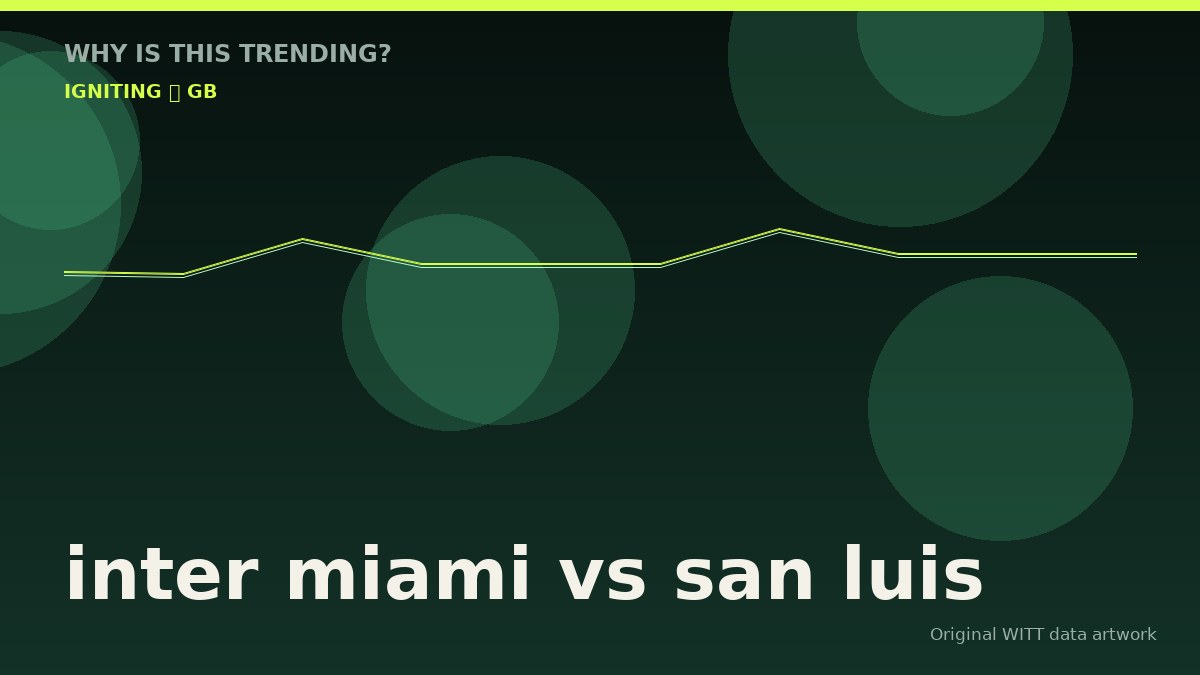
Google Trends attention peaked precisely on match day, aligning neatly with a coordinated promotional push from major gaming operators and official team announcements regarding the availability of global icon Lionel Messi as detailed by the New York Post. Disentangling what constitutes pure sports fandom from commercially driven search behavior requires looking closely at the moving parts that activated the news cycle.
The Catalyst: Promotional Timing
A primary driver of the commercial footprint around this particular match was the tactical deployment of acquisition incentives by sportsbooks. BetMGM launched a targeted bonus code promotion offering up to $1,500 back in bonus bets for new users linked directly to the fixture. Because the offer went live on August 5, 2026—just hours before the 23:30 UTC kick-off at Nu Stadium in Florida—it acted as an immediate funnel for search engine queries from users looking to place wagers on the group stage opener.
This type of promotional timing is engineered to capture intent at its highest point of leverage. Sportsbooks frequently tie welcome offers to high-profile tournament openers, knowing that casual bettors and die-hard supporters alike will search for signup codes simultaneously. The synchronization of the promotional drop with match-day previews created an amplified digital echo chamber.
Roster Dynamics: The Messi Factor and Crucial Absences
Commercial incentives alone cannot manufacture sustained attention without substance on the pitch. The narrative was heavily reinforced by managerial confirmations regarding squad composition. Inter Miami head coach Guillermo Hoyos confirmed that Lionel Messi was fully available and expected to feature from the start following his return from international duty at the 2026 World Cup.
Messi had previously logged a brief substitute appearance in a 2–2 draw against the Columbus Crew, but his anticipated return to the starting XI provided the sporting legitimacy that bettors and analysts crave. However, Miami's attacking depth faced severe stress tests:
- Lionel Messi: Confirmed for his first start post-World Cup, anchoring the frontline alongside new tactical setups.
- Luis Suárez: Completely unavailable for the tournament, serving a six-match Leagues Cup suspension resulting from a high-profile disciplinary incident following the 2025 final (as reported by Sports Illustrated).
- Germán Berterame: Sidelined with shoulder and facial injuries sustained earlier in the season, thinning out the club's offensive options during the recovery phase.
Facing Liga MX opposition in Atlético de San Luis—a side carrying a difficult domestic run of form into the tournament as outlined in pre-match analysis—the heavy reliance on Messi shifted public perception from a routine group fixture into a must-watch referendum on Miami's squad depth.
Signal Versus Noise in Trend-Forensics
When analyzing why search queries spike around fixtures like Inter Miami versus San Luis, it is vital to separate organic sporting curiosity from manufactured digital noise.
The Signal: The verified confirmation of elite player availability (Messi starting) combined with the official Concacaf tournament schedule announcement for Phase One matches provides the fundamental baseline of why people care about the game. Fans naturally look up lineups, head-to-head records against Liga MX teams, and tactical previews.
The Noise: The sudden influx of commercial affiliate links, bonus code landing pages, and state-restricted betting disclaimers. While these elements explain the monetary volume and commercial visibility surrounding the search term, they are downstream effects designed to monetize existing sports attention rather than create the underlying cultural phenomenon of soccer fandom.
Ultimately, the attention peak on August 5 was a textbook example of modern sports consumption: elite athletic star power meeting frictionless digital wagering opportunities at the exact second a tournament curtain rises.