The Anatomy of a Game-Day Spike
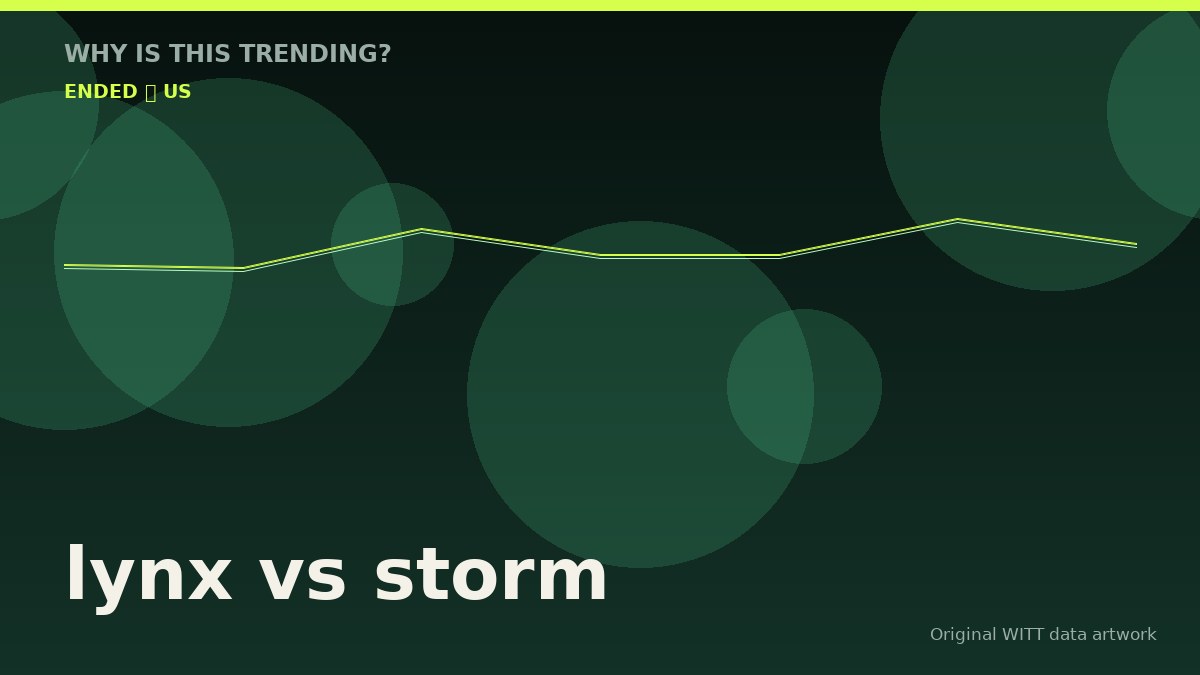
On July 22, 2026, the digital interest surrounding the Minnesota Lynx and Seattle Storm reached a notable peak, registering an attention index of 63.39. This surge in search volume was not a product of abstract speculation or viral social media rumor; it was a direct response to the logistical and narrative needs of sports fans on game day. As the Minnesota Lynx official site published essential information regarding streaming options, tip-off times, and injury reports, search engines became the primary utility for fans attempting to navigate the broadcast landscape.
The trend serves as a clear example of how professional sports leagues generate predictable, high-intent traffic. When a game is scheduled, the search behavior shifts from general interest to specific utility: How do I watch? Who is playing? Is my favorite player injured? The July 22 matchup provided ample material for this cycle, as fans sought to track the status of key players like Napheesa Collier and Ezi Magbegor.
The Performance Behind the Attention
While the search spike was triggered by the need for access, the sustained interest throughout the day was fueled by the game's outcome. The Minnesota Lynx secured a 105-102 victory, a result widely reported for its offensive intensity. The game was characterized by 14 lead changes and nine ties, keeping the audience engaged until the final seconds when a potential game-tying three-pointer from Seattle’s Flau'jae Johnson rimmed out.
The statistical milestones achieved during the game further solidified its place in the day's discourse. Rookie Olivia Miles recorded 32 points, eight rebounds, and eight assists, joining Candace Parker as the only rookies in WNBA history to hit those marks in a single game. Alongside Kayla McBride’s 33-point performance, the duo became only the second pair in franchise history to score 30 or more points in the same contest. This level of individual excellence provides the "signal" that keeps a story trending long after the initial search for a live stream has been satisfied.
Signal vs. Noise: Coaching Concerns
A critical layer of the post-game narrative—and a key reason the story maintained momentum—was the disconnect between the box score and the coaching staff's assessment. Despite the win, head coach Cheryl Reeve was notably critical of the team's defensive execution. This creates a compelling narrative arc for fans: the team is winning, but the internal standards are not being met.
The following table illustrates the contrast between the offensive output and the defensive reality highlighted by the coaching staff:
| Metric | Context |
|---|---|
| Offensive Output | 105 points scored; 18-18 from the free-throw line. |
| Defensive Reality | Reeve noted defense is nowhere to be foundduring the current win streak. |
| Game Dynamics | 14 lead changes and 9 ties, highlighting defensive inconsistency. |
Reeve’s public frustration acts as a narrative anchor. It transforms a standard regular-season win into a broader story about championship viability. When a coach publicly questions the team's defensive pride, it invites analysis and debate among the fanbase, which in turn sustains search interest beyond the initial game-day window.
Looking Forward
For those tracking this trend, it is essential to distinguish between the utility-driven search volume—the "how to watch" queries—and the engagement-driven volume that follows a high-scoring, competitive game. The July 22 spike was a perfect storm of both. The logistical search was satisfied by the pre-game reporting, while the competitive nature of the 105-102 shootout ensured that the conversation remained active. As the Lynx continue their season, the primary metric to watch will be whether the team's defensive performance aligns with their offensive efficiency, as this remains the central point of tension for observers of the team.