The Mechanics of a Viral Pivot
On July 20, 2026, the digital footprint of comedian Marcello Hernández experienced a distinct, sharp elevation. While promotional cycles for major film releases—in this case, the Netflix production 72 Hours—are standard fare for television, the interview segment featuring Hernández and Kevin Hart deviated from the typical script. The spike in public attention was not the result of a calculated marketing campaign, but rather the consequence of a high-energy, improvised performance that broke the professional veneer of the TODAY show set.
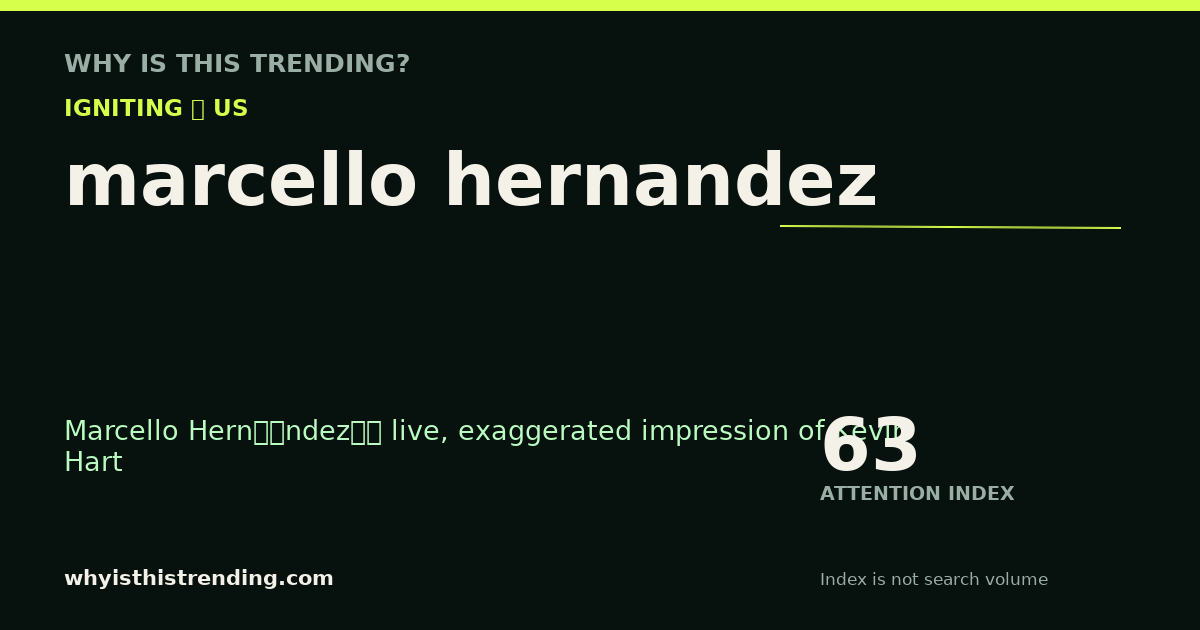
During the segment, Hernández was asked to describe the experience of working with Hart. Instead of providing a standard, polite answer, he initiated a role-play exercise. By adopting Hart’s mannerisms and vocal cadence, Hernández effectively turned the interview into a comedy sketch. This shift from passive promotion to active performance is a classic catalyst for social media amplification; it provides a short, self-contained clip that is easily shareable and inherently entertaining.
Anatomy of the Attention Spike
The attention mechanism here relies on the authenticity of the reaction. When Hernández began his impression—which included a bit about Hart demanding more money and fielding calls from CEOs—the laughter from co-host Sheinelle Jones, meteorologist Al Roker, and Hart himself was immediate and visible. This derailing
of the interview served as a form of social proof, signaling to the audience that the moment was genuinely funny rather than rehearsed. TheWrap noted that the interaction continued even after the impression, with Hernández poking fun at Hart’s wardrobe and Hart responding in kind, keeping the energy high until the segment concluded.
The data reflects a clear correlation between the broadcast and the surge in interest:
| Metric | Observation |
|---|---|
| Trigger Event | TODAY show interview (July 20, 2026) |
| Primary Driver | Improvised Kevin Hart impression |
| Audience Reaction | Spontaneous laughter from hosts and guests |
| Persistence | Approximately 10 minutes post-broadcast |
Signal vs. Noise: Understanding the Growth
It is important to distinguish this specific spike from the broader, more gradual growth of Hernández’s career. The search volume observed on July 20 was a reactive, short-term phenomenon. It represents a "discovery moment" where viewers who were perhaps familiar with his face—or his work on Saturday Night Live—sought out his name to confirm his identity or find the full clip of the interaction. This is distinct from the sustained, long-term interest generated by his ongoing 2026 national comedy tour, which builds its audience through live performance and word-of-mouth.
The signal here is the effectiveness of Hernández’s "comedy-first" approach to press. By treating a promotional interview as a stage for his craft, he achieved two things: he successfully marketed the film 72 Hours, and he reinforced his brand as an unpredictable, high-energy performer. The noise, conversely, is the transient nature of the search spike itself. While the impression was a highlight of his media appearance, it is a single data point in a much larger trajectory of a comedian transitioning from club sets to major theater runs.
The Broader Context of the 2026 Tour
Hernández’s rise is underpinned by a deliberate strategy of live performance. His 2026 tour, which includes high-profile venues such as the Hollywood Bowl and various casino theaters, relies on his ability to connect with audiences through observational humor regarding his bicultural background and modern life. The viral moment on July 20 serves as a bridge, bringing his specific brand of humor to a broader, daytime television demographic that might not otherwise encounter his stand-up material. As he continues to balance his television work with his touring schedule, these moments of spontaneous comedy will likely remain a key component of his public profile, acting as a recurring reminder of his improvisational capabilities.