Decoding the Attention Surge
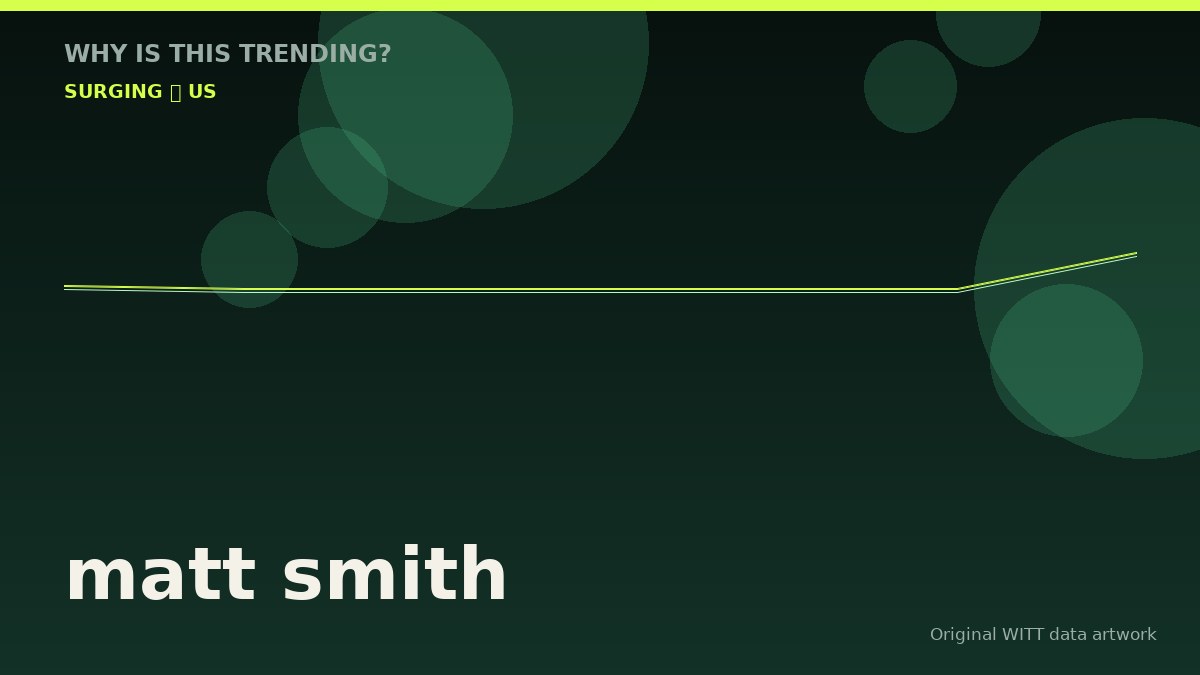
When public curiosity around a well-known name spikes overnight, it usually pays to look closely at the intersection of appointment television and major broadcast events. Google Trends metrics registered a sharp, distinct climb in attention for the query matt smith
beginning on August 10, 2026 [1]. This digital momentum was not random online noise; it followed hot on the heels of the 75-minute Season 3 finale of HBO's hit prequel series, House of the Dragon,
which aired to an engaged audience on Sunday, August 9, 2026 [1].
As entertainment outlets, critics, and fans dissected the sprawling succession wars and brutal battles that defined the episode, the spotlight fell squarely on the show's principal players. For analysts tracking media trends, understanding this behavioral shift requires separating scheduled television milestones from everyday celebrity news or unrelated namesakes appearing elsewhere in the news cycle.
The timing is precise: the digital curiosity accelerates almost immediately as the East Coast broadcast concludes and early reviews, recaps, and spoiler discussions flood media feeds. Viewers turning to search engines are overwhelmingly looking to process dense narrative turns, verify character fates, and understand how the pieces are moving ahead of the show's confirmed final season.
Daemon Targaryen and the Tumbleton Carnage
The core catalyst for the online attention was the episode's harrowing narrative climax, which centered heavily on the brutal Battle of Tumbleton. In the episode, Matt Smith's character, Daemon Targaryen, leads the forces of Team Black against the opposing Greens' leader, Ormund Hightower, in a gritty confrontation defined by dragon fire, chaos, and high-stakes survival [1].
The episode put an exclamation point on a season that had already earned strong critical backing, pushing the Dance of the Dragons storyline to a literal fever pitch [1]. The narrative developments left viewers with plenty of dramatic threads to unpack as the creators look toward the fourth and final season of the Game of Thrones
prequel series, which is expected to premiere in 2028 [1].
Key elements driving the intense fan conversation and search interest include:
- High-Stakes Combat: Daemon's frontline leadership during the devastating, chaotic clashes at the strategic market town of Tumbleton [1].
- Narrow Escapes: Daemon narrowly avoiding a fiery demise amid structural collapses and the erratic fury unleashed by the rogue dragonrider Ulf the White [1].
- Alliances and Exits: His eventual retreat alongside a battered Lord Corlys Velaryon, leaving key figures bruised but alive as the chessboard resets for the final chapter [1].
Signal Versus Noise in Entertainment Trends
It is worth examining how modern search ecosystems react to major franchise finales. While Google Trends data captures the timing and velocity of public inquisitiveness—showing a distinct uptick immediately following the credits—it measures relative attention rather than serving as a direct indicator of causal sentiment or absolute search-volume totals [1]. Fans flocking to digital platforms are typically hunting for post-show breakdowns, spoiler confirmations, and hints about what the 2028 release window for the final season will entail [1].
Disentangling this specific surge requires careful filtering against unrelated namesakes appearing in concurrent news cycles—such as racing trainers [2] or educational policy researchers sharing similar names [3]. Once those parallel streams are cleared away, the true signal emerges with absolute clarity: premium fantasy television continues to possess a rare, powerful ability to concentrate global media attention into a single, watercooler cultural moment.
For readers attempting to navigate similar spikes in the future, the practical takeaway is to look beyond the raw graph lines and examine the broadcast schedule. Major narrative payoffs in high-concept serialized television remain one of the most reliable drivers of immediate digital behavior in the modern media landscape.