The Mechanics Behind the Five-Week Climb
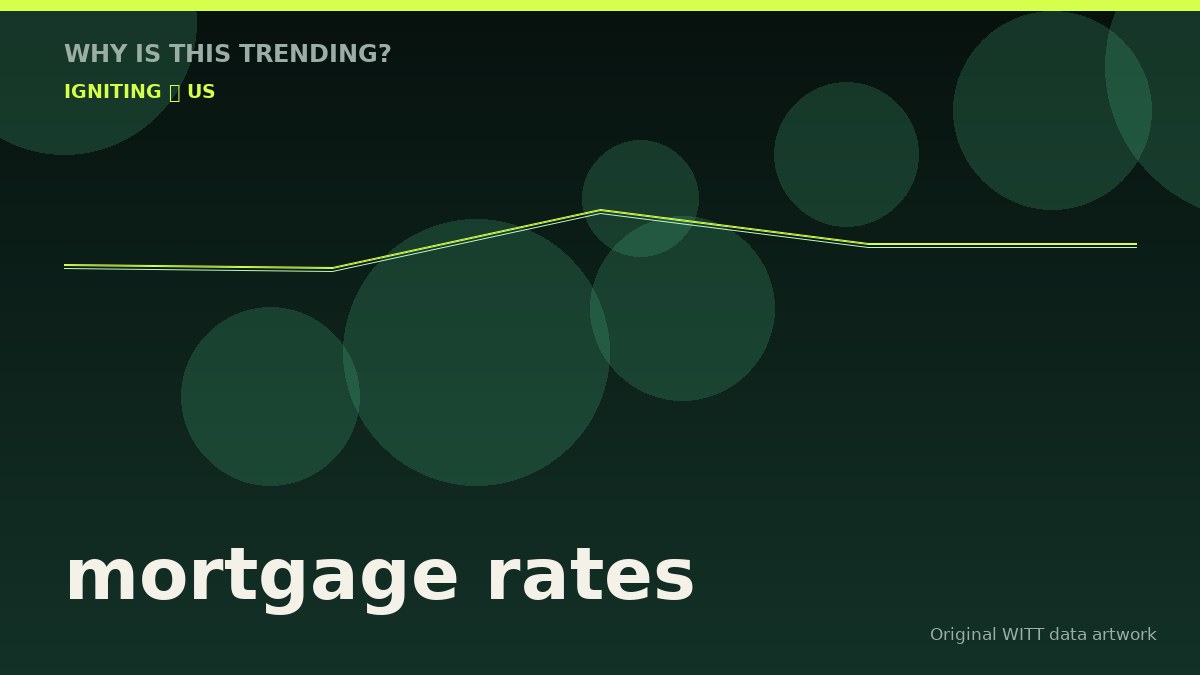
For prospective homebuyers tracking the housing market, the math has grown increasingly punishing. According to data from AP News, the average benchmark 30-year fixed mortgage rate rose to 6.69%, marking the fifth consecutive week of increases. This upward march places long-term borrowing costs at their highest level in over a year, and marks only the second consecutive week that averages have cleared 6.6% since late July 2025.
To understand why this is happening, it helps to look past consumer-facing rate sheets and examine the bond market. Mortgage rates do not exist in a vacuum; they generally track the trajectory of the 10-year Treasury yield, which lenders use as a guide for pricing home loans (AP News). When Treasury yields climb, home loans follow suit.
This dynamic creates an immediate friction point for consumers. Every fractional increase in the benchmark interest rate translates directly into thousands of dollars in added lifetime interest, altering the qualifying math for families trying to enter the housing market during an already competitive summer season. Market researchers note that these pressures have kept home sales sluggish as buyers continuously reassess what they can comfortably afford.
Signal Versus Noise: What is Driving the Yields
While daily financial headlines frequently bounce between minor market dips and Federal Reserve speculation, the broader structural pressure keeping rates high stems from a mix of inflation expectations and global supply shocks. Specifically, geopolitical tensions involving Iran have historically fueled fears of volatile crude oil prices and hotter inflation (AP News). Even when crude prices experience short-term cooling spells, long-term bond yields have remained steeper than they were prior to the outbreak of the conflict.
At the same time, the Federal Reserve's policy decisions and ongoing adjustments by bond market investors continue to shape the financial landscape. As investors digest shifting economic data regarding employment and consumer price indices, market sentiment frequently adjusts expectations for upcoming central bank meetings, introducing renewed volatility into the mortgage sector.
It is crucial to separate the daily noise of shifting economic reports from the core signal: bond investors remain cautious about long-term inflationary pressures. When energy markets stay jumpy and employment reports challenge expectations, bond buyers demand higher yields to hedge against future risk. Because mortgage lenders price their loans off these very same 10-year Treasuries, everyday borrowers ultimately absorb the cost of global uncertainty.
The Real-World Impact on Buyers and Refinancers
The practical consequence of a multi-week rate streak is an immediate squeeze on buyer purchasing power. Higher interest rates add hundreds of dollars a month to housing payments for the exact same loan amount, which has contributed heavily to sluggish home sales and hesitant buyer activity throughout the year (AP News).
Interestingly, the broader market pain has not impacted all loan products identically. While 30-year fixed loans have borne the brunt of the climb, 15-year fixed-rate mortgages—frequently sought out by homeowners looking to refinance—have occasionally moved against the broader trend, offering a slight reprieve depending on the week's specific bond market closes (AP News). Industry analysts observe that refinancing application volumes remain sensitive to these micro-movements, though overall demand takes a hit whenever rates sustain an upward trajectory for longer than a month.
Navigating the Current Rate Environment
For those currently evaluating whether to buy or refinance, experts emphasize focusing on personal financial fundamentals rather than trying to time unpredictable macroeconomic events. Because mortgage rates are tied to complex global dynamics ranging from Middle Eastern conflicts to domestic inflation reports, short-term forecasting remains volatile. Homebuyers who find a property matching their budget often weigh whether locking in a current rate makes sense with the option to evaluate a future refinance if broader monetary policy eventually eases borrowing costs downward.
Ultimately, chasing the absolute bottom of an interest rate cycle can sideline buyers indefinitely while home prices and personal savings goals shift around them. Grounding decisions in monthly budget realities and strong credit profiles remains the most reliable strategy when navigating a lending environment shaped by international headwinds.