The Mechanics of Weekend Watch Lists and Editorial Timing
Every week, the collective ritual of choosing a movie or TV show transforms into a major search event. As the work week winds down, entertainment publications drop their curated guides, instantly shaping what millions of people decide to queue up at home or catch in theaters. This regular cadence of editorial curation acts as a primary engine for public attention, translating passive curiosity into active search queries.
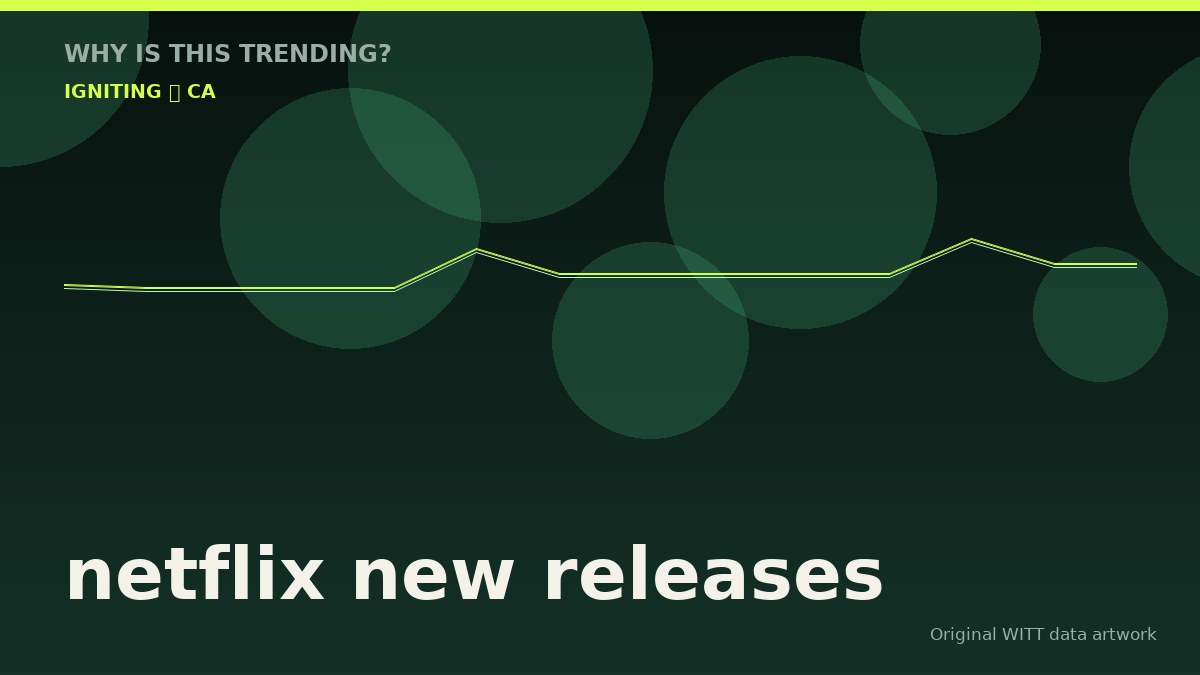
Google Trends indicates heightened search traffic for platforms like Netflix and their fresh catalogs during windows that align directly with these recurring publishing cycles. Rather than discovering titles entirely on their own, audiences rely on critics and roundups to cut through the endless choices available across subscription video-on-demand services, theatrical box offices, and digital rental storefronts.
Understanding this timeline is vital for interpreting why certain entertainment terms spike at specific hours. Outlets do not publish in a vacuum; their output is strategically engineered to catch consumers right as they transition from professional obligations to leisure time. This timing turns an ordinary Friday afternoon into a synchronized rush of digital investigation, guiding millions of households as they evaluate their options for Friday, Saturday, and Sunday nights.
The predictability of this rhythm highlights a fascinating behavioral pattern in modern digital consumption. When prominent entertainment desks publish their weekend evaluations—such as Vulture's weekly watch guide on October 9, 2026, or Yahoo Entertainment's weekend movie guide on October 11, 2026—they do not merely report on what is available; they actively channel consumer attention toward a curated subset of the vast entertainment ecosystem.
What Critics and Curators Put on the Map
The cultural footprint of a weekend release often depends heavily on where it lands in these roundups. Major guides published ahead of the weekend highlight high-profile theatrical and home-viewing options alike, creating a mixed ecosystem where streaming originals compete directly with cinematic debuts.
For example, publications map out sprawling options ranging from theatrical psychological horror like Other Mommy—featuring Jessica Chastain as both a mother and a scary monster posing as an imaginary friend—to streaming additions such as Evil Dead Burn and Carrie. At the same time, other outlets zero in on specific home-viewing centerpieces. Weekend coverage frequently spotlights platform-specific arrivals, including Ben Affleck pulling double duty as star and director of the kidnapping drama Animals on Netflix.
This cross-pollination between theatrical tracking and streaming recommendations means that a single consumer might look up a digital rental like Spider-Man: Brand New Day while simultaneously evaluating a platform premiere or a limited-release indie project. The sheer variety of options ensures that search terms remain broad yet concentrated on the specific weekend's highlighted pool. Furthermore, critics often incorporate nostalgic re-releases or anniversary screenings, such as 3-D updates for classic dark fantasies like Pan's Labyrinth, expanding the scope of what viewers consider viable weekend entertainment.
Signal Versus Noise in Streaming Attention
It is easy to mistake a sudden surge in search volume for spontaneous grassroots excitement, but the reality is usually more structured. Editorial roundups act as signal amplifiers. When multiple cultural outlets highlight the same cluster of projects—whether it is Aaron Sorkin's Facebook follow-up The Social Reckoning in theaters or targeted genre fare at home—they create a shared temporary canon for the weekend.
Discerning viewers should separate algorithmic noise from genuine cultural traction. A title trending because of a Friday morning newsletter or a prominent listicle does not automatically guarantee critical acclaim or long-term staying power; rather, it reflects a coordinated moment of discovery. Critics themselves often voice mixed expectations, noting when a high-profile sequel struggles to capture the magic of its predecessor or when a project feels overly strained by its own earnestness. Understanding this cycle helps explain why search interest flares up reliably every seven days before fading just as quickly by Monday morning, demonstrating that aggregate interest is frequently a reflection of publishing schedules rather than organic word-of-mouth phenomena.