The Dual Reality of the July 2026 Update
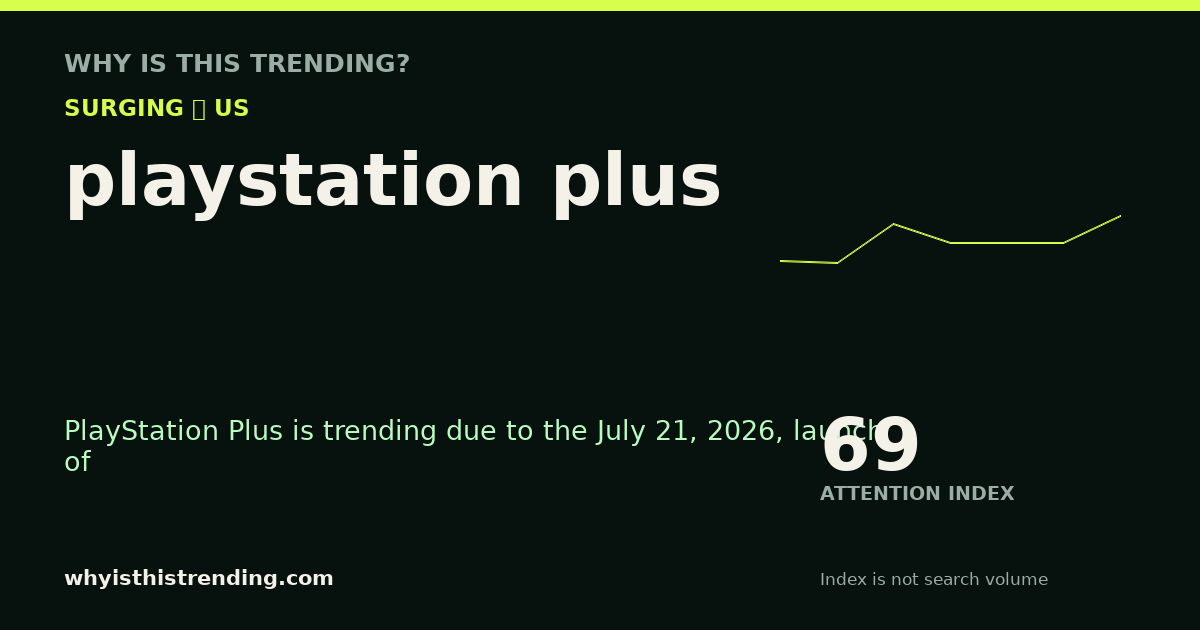
For the average subscriber, July 21 marks a standard refresh of the PlayStation Plus Game Catalog. The latest lineup includes high-profile titles such as Avatar: Frontiers of Pandora and Firefighting Simulator: Ignite, both arriving globally today. Rise of the Ronin, which hit the US and UK markets on July 15, rounds out the headline additions. For those subscribed to the Premium tier, the service has also introduced PS2 classics Psi-Ops: The Mindgate Conspiracy and Indigo Prophecy.
However, the attention surrounding these additions is not merely a reflection of excitement for new content. The spike in search interest for “PlayStation Plus” is heavily weighted by a persistent, cross-platform protest movement. Sony’s decision to cease the production of physical game discs by January 2028 has transformed every official social media post—even those promoting subscription perks—into a staging ground for consumer dissent.
The Signal: Regulatory and Consumer Friction
The trend is driven by two distinct but related forces: the routine interest in monthly game drops and a systemic backlash against Sony’s hardware trajectory. The latter has moved beyond social media comments and into the halls of government. In Mexico, federal officials, including Representative Iraís Reyes and Senator Luis Donaldo Colosio, have filed a formal antitrust complaint. The core of their argument is that a digital-only future grants Sony unilateral control over pricing and access, effectively eliminating the competitive market that physical retail provides.
This regulatory pressure mirrors the sentiment of a vocal segment of the player base. Petitions against the disc phase-out have garnered hundreds of thousands of signatures, and the impact is being felt by smaller developers. Independent studios, such as the team behind Teeto, have reported their launch trailers being buried under thousands of comments demanding the return of physical media, creating a disconnect where the community’s protest against the platform holder inadvertently harms the visibility of smaller games.
Parsing the Noise
It is important to distinguish between the genuine utility of the Game Catalog updates and the noise generated by the “no disc, no buy” movement. For instance, recent confusion regarding the availability of Indigo Prophecy on PS5—which Sony clarified was a standard PS4 port rather than a new emulated version—briefly spiked interest but ultimately served as a minor footnote compared to the broader discourse on ownership. While some users expressed disappointment that the title was not a modern, feature-rich port, this conversation was quickly swallowed by the larger, ongoing debate regarding the future of digital-only media.
The following table summarizes the status of the July 2026 catalog additions:
| Title | Availability |
|---|---|
| Rise of the Ronin | Available (US/UK since July 15) |
| Avatar: Frontiers of Pandora | Available Globally (July 21) |
| Firefighting Simulator: Ignite | Available Globally (July 21) |
| Psi-Ops / Indigo Prophecy | Available (Premium Tier) |
The Mechanics of the Backlash
The current attention spike is not a traditional marketing success story. Instead, it represents a breakdown in the feedback loop between the platform holder and its users. When Sony posts about new games, the comment sections are flooded with slogans like “Don't Kill Video Games” and “NO DISC NO BUY.” This behavior has reached a saturation point where even unrelated promotional content, such as trailers for upcoming hardware or indie titles, is being repurposed as a protest board. The sheer volume of this engagement—often exceeding the engagement levels of previous, non-controversial content—indicates that the community is actively seeking out any Sony-branded space to register its disapproval.
Looking Ahead
Sony appears to be weathering the storm by maintaining its current strategy, with reports indicating that production facilities are already pivoting away from optical media. While the company has not issued a direct response to the mounting petitions, the intensity of the backlash suggests that the transition to an all-digital ecosystem will remain a point of friction for the foreseeable future. Subscribers should expect this tension to persist in the comment sections of all future PlayStation announcements, regardless of the quality of the games being added to the catalog.
For those looking to maximize their subscription, note that the catalog is not static; titles like Unicorn Overlord and Earth Defense Force 6 are slated to leave the service in August. The current trend is a reminder that while digital services are becoming the primary way to consume games, the transition remains a deeply contentious issue for a significant portion of the PlayStation community. The signal here is clear: the market is currently in a state of high sensitivity, where any news regarding the platform is filtered through the lens of the upcoming 2028 disc phase-out.