Decoding the Regional Attention Spike
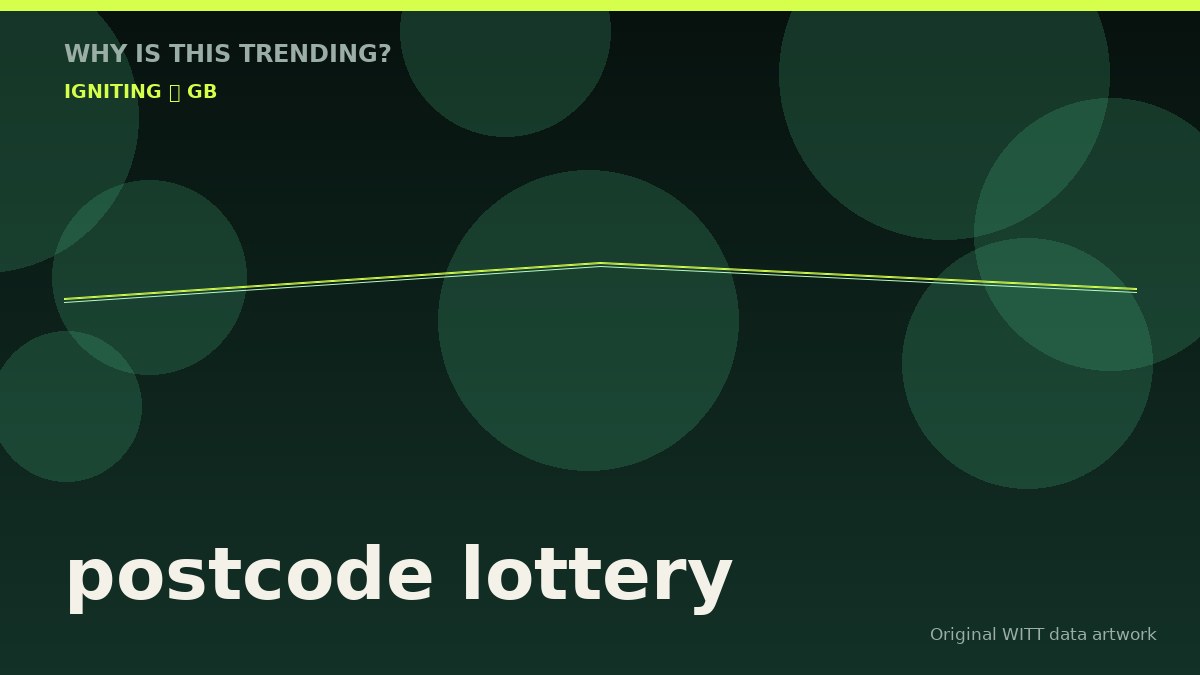
When public curiosity around a recurring institution surges, it rarely happens in a vacuum. Google Trends data captured an attention peak on August 7, 2026, aligning directly with a series of regional headlines published across the United Kingdom on August 6 East Anglian Daily Times. Rather than signaling a massive national rule change or a systemic overhaul, the sudden visibility stems from localized reporting clustered tightly together in time.
Across separate regional outlets, communities learned that their neighbors had beaten the odds in the daily prize draws. These distinct geographical clusters created a composite wave of attention that registered nationally on search trends, proving that localized excitement can easily mimic nationwide interest.
It is important to remember that digital tracking tools capture aggregate behavior rather than single motivations. A surge in search interest reflects curiosity, whether people are looking up subscription rules, verifying winning codes, or simply reading about local good fortune. The synchronized timing of independent regional newspapers publishing their winning lists on the exact same day created a multiplier effect across digital feeds.
Mapping the Localized Wins
The surge is best understood by looking at where the winning announcements originated. On August 6, local publications detailed multiple £1,000 daily wins across widely separated parts of the country:
- Suffolk: Multiple postcodes—including Botesdale, Claydon, Icklingham, Clare, Ipswich, and Acton—celebrated wins from recent draws East Anglian Daily Times.
- Radcliffe: Residents living on Meadow View in the M26 1RZ postcode woke up £1,000 richer after their street was selected The Bolton News.
- Oxfordshire: Homeowners on Ramsons Way in Abingdon (OX14 3UB) were highlighted after securing their share of the daily £1,000 prize pool Oxford Mail.
These announcements coincided precisely with the rising trend window, showing how granular neighborhood news can aggregate into broad digital curiosity.
Signal Versus Noise: Understanding the Mechanics
It is easy to mistake a cluster of regional success stories for a change in the game's underlying structure, but the operational reality remains standard. The daily format operates on a consistent schedule: twenty winning postcodes are selected nationwide every single day, awarding £1,000 for each valid ticket held The Bolton News.
For a monthly subscription fee of £12.50, players enter their home postcode into every daily, weekly, and monthly draw The Bolton News. While major events like the monthly £250,000 prize or weekly Millionaire Street draws often command heavy attention, the steady drumbeat of £1,000 daily awards provides constant regional touchpoints that keep the subscription model visible to the public.
To separate the signal from the noise, observers must look past the excitement of individual street names. The underlying mathematics and odds of winning have not shifted; rather, the editorial calendar of local journalism happened to converge. When readers see multiple winning announcements clustered into a single 24-hour window, it creates a psychological illusion of heightened national activity even though the draw structure remains completely uniform day after day.
Contextualizing the Trend
Public interest in postcode-based mechanics also intersects with broader discussions regarding regional equity. While lottery participants focus on neighborhood wins, policy debates occasionally utilize the term postcode lottery
in entirely different contexts—such as discussions surrounding healthcare access and medical screening rollouts—which can occasionally create cross-talk in broader digital feeds Electronicproductonline. However, the early August spike is directly tethered to traditional community prize reporting rather than policy controversies.
Ultimately, readers encountering these trending terms should view them as a reflection of localized good news rather than an indication of shifting odds or altered prize structures. The system operates exactly as designed, turning routine daily draws into front-page news for individual streets across Britain. Knowing how regional news cycles amplify these recurring events helps contextualize why certain topics flare up digitally without any underlying change in policy or probability.