The Anatomy of a Record Quarter
Ticketmaster and its parent company, Live Nation, are commanding headlines following the public release of financial metrics for the second quarter of 2026. According to corporate earnings data published on July 30 and 31, 2026, Live Nation brought in $7.7 billion in revenue—a 9% increase year-over-year—while driving global fan attendance up 10% to 49 million as reported by The Hollywood Reporter.
The ticketing arm itself experienced a standout period. Ticketmaster reported $852 million in revenue, marking a 15% jump from the previous year, alongside 90 million fee-bearing tickets sold according to the Live Nation Newsroom. Company leadership framed these figures as proof of unyielding consumer appetite for live entertainment. CEO Michael Rapino pointed to a cultural shift, stating that fans continue to prioritize physical experiences over digital alternatives as noted by The Hollywood Reporter.
Furthermore, Live Nation highlighted that all-time-high deferred revenue points to a remarkably strong second half of the year noted in corporate filings. Despite pressures from stadium scheduling shifts, international markets successfully powered growth across multiple operational sectors as detailed in the quarterly release.
Signal Versus Noise in the Ticketing Economy
When tracking public attention around ticketing giants, it is vital to separate corporate financial health from broader market controversies. The numbers released in late July offer a clear signal: consumer demand for large-scale events remains robust. Live Nation reported $6.4 billion in event-related deferred revenue for future shows, pointing to a busy second half of the year according to the Live Nation Newsroom. Even with North American stadium availability constrained by the FIFA World Cup, international markets and expanding venue networks picked up the slack as reported by Billboard.
However, much of the digital chatter is noise fueled by unrelated cultural shifts or temporary tour adjustments. For instance, internet speculation and social media commentary often conflate standard tour cancellations—such as the sudden removal of high-profile emerging artist dates from schedules—with systemic ticketing platform failures noted by AOL. While everyday concertgoers frequently vent about dynamic pricing, platform fees, and virtual queue frustration, the current spike in media forensics is fundamentally tethered to the intersection of corporate balance sheets and antitrust law.
The Legal Cloud Over Record Growth
The financial triumph reported by Live Nation plays out against a backdrop of aggressive legal challenges. In March 2026, the Department of Justice and Live Nation reached a partial settlement involving up to $280 million in penalties and the divestiture of exclusive booking agreements across 13 amphitheaters according to The Hollywood Reporter.
Despite that agreement, a federal jury found Live Nation liable in April 2026 for unlawful monopolization through tying artist promotion services to amphitheater access reported by Music Business Worldwide. Legal battles persist as plaintiff states and corporate defense teams clash over post-trial motions and discovery requests detailed by Music Business Worldwide.
The overarching legal uncertainty means that while the company's financial momentum continues unabated, structural penalties—including the possibility of a court-mandated breakup between Live Nation and Ticketmaster—remain active talking points in legal briefs and media coverage as noted by industry analysts.
Interpreting the Trend
Why does this matter right now? The simultaneous release of record-breaking earnings and fierce courtroom combat creates a narrative tension that attracts intense scrutiny. Observers are watching to see whether immense market capitalization can coexist with structural government intervention noted by The Hollywood Reporter.
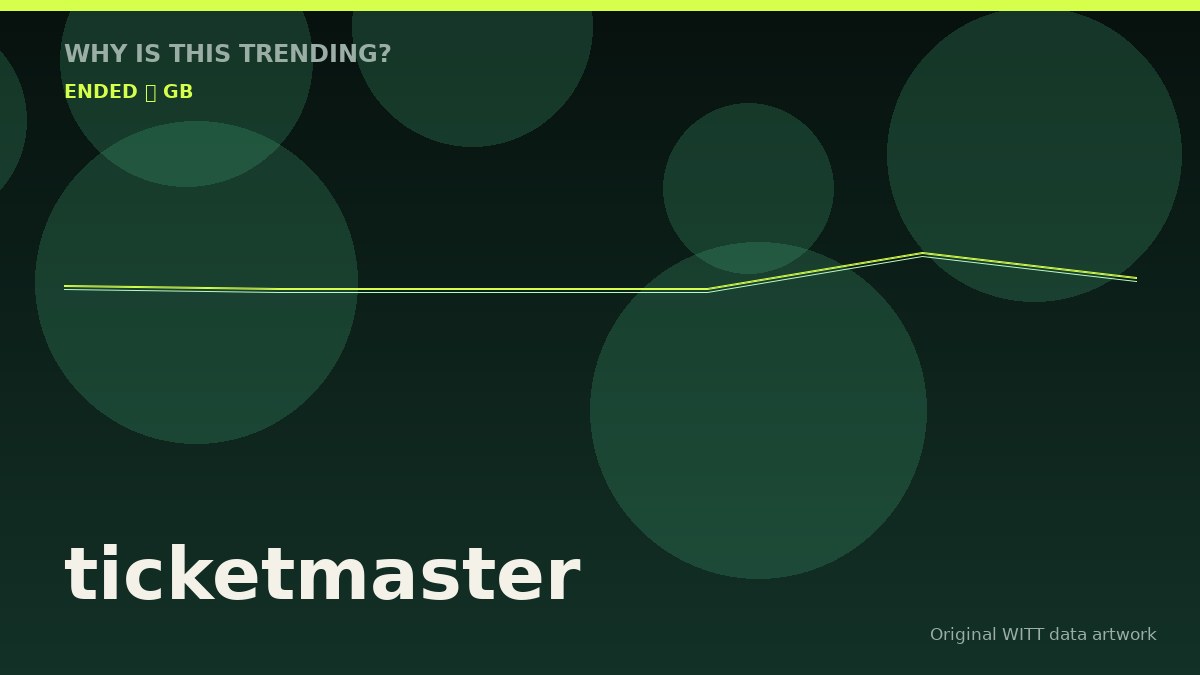
For readers navigating this news cycle, remember that Google Trends attention measures the volume and velocity of public curiosity—it does not prove causation, nor does it guarantee that regulatory penalties will immediately alter ticket prices. The reality is a complex duality: fans are buying tickets at historic rates, and regulators are examining marketplace mechanics closer than ever before.