The Anatomy of a Retrospective Spike
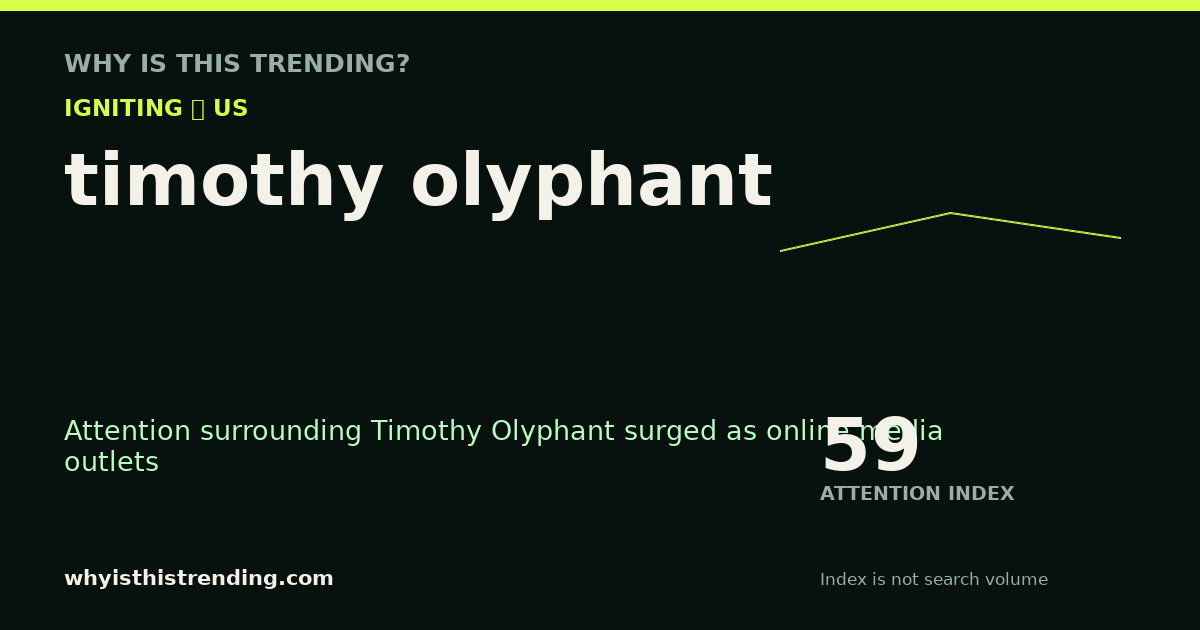
Google Trends attention surrounding Timothy Olyphant spiked on July 30, 2026, aligning precisely with retrospective media coverage marking the anniversary of HBO canceling Deadwood. While public figures routinely generate search activity via various podcast appearances or routine celebrity news cycles, this particular wave of digital interest is heavily driven by cultural nostalgia and retrospective film analysis examining creator David Milch’s sprawling mining camp saga.
When HBO initially pulled the plug in July 2006, it did so without warning, scrapping a planned fourth season and leaving millions of viewers stranded on an abrupt cliffhanger. Rather than accepting a truncated six-to-eight-episode compromise offered by the network, creator David Milch preferred to end production entirely, leaving Al Swearengen to quietly scrub blood from floorboards as the final image of a premature series finale HBO canceled Deadwood mid-story, and the cast waited 13 years for justice - 3DVF.
Signal Versus Noise in the Search Landscape
When analyzing sudden movements in search interest, separating manufactured noise from genuine cultural milestones is essential. Recent online discussions touch on various unrelated aspects of the actor's career and personal life, but the structural core of this specific trend is rooted in television history and long-awaited narrative resolution rather than breaking news or promotional tours.
For instance, separate discussions frequently highlight personal background details, family dynamics, or lighthearted anecdotes—such as his famously low-tech computer habits discussed on podcast appearances—yet these topics operate independently of the primary search catalyst. The real engine behind the surge is the enduring cultural footprint of the show's difficult cancellation and its eventual cinematic remedy.
The table below outlines how the primary narrative touchpoints compare against background chatter:
| Topic / Event | Nature of Discussion | Trend Relevance |
|---|---|---|
| Deadwood Cancellation History | Retrospective media coverage marking the 2006 shelving of the series. | Primary Catalyst |
| Deadwood: The Movie (2019) | Re-evaluating how the film provided closure for Sheriff Seth Bullock and the camp. | Core Context |
| Low-Tech Lifestyle Anecdotes | Podcast remarks regarding computer usage and old desktop hardware. | Noise / Unrelated |
From Abrupt Halt to Final Resolution
The sting of the 2006 cancellation remained a sore subject for television enthusiasts for over a decade. Period-accurate sets, massive location shoots, and an enormous ensemble cast made the production an expensive endeavor for the network, leaving fans wondering if the story of South Dakota's lawless mining camp would ever be finished properly.
That decade-long wait finally concluded when Deadwood: The Movie premiered on May 31, 2019. The project successfully reassembled the original company, bringing Timothy Olyphant back as Sheriff Seth Bullock alongside Ian McShane’s Al Swearengen to address old rivalries a decade after the events of the series. For modern audiences and nostalgic critics revisiting the milestone, the film stands out as a rare instance where a canceled masterpiece successfully reclaimed its ending.
Interpreting the Modern Fan Engagement
Why do fans continue to look back at this specific television property? The answer lies in the unique vulnerability of serialized storytelling in the mid-2000s television landscape. Long before streaming platforms routinely resurrected canceled series or built flexible episode counts, getting axed mid-story meant permanent ambiguity. Viewers were forced to live with a narrative vacuum where major character arcs were abruptly frozen in time.
When retrospectives revisit this history, they do not just celebrate a movie; they validate the emotional investment of a fanbase that waited over a decade to see justice done to the material. Timothy Olyphant's central performance as the steadfast, righteous Sheriff Seth Bullock anchors that legacy, ensuring that whenever media coverage circles back to the mining camp's fate, public interest inevitably follows.