The Unscripted Moment That Stopped the Show
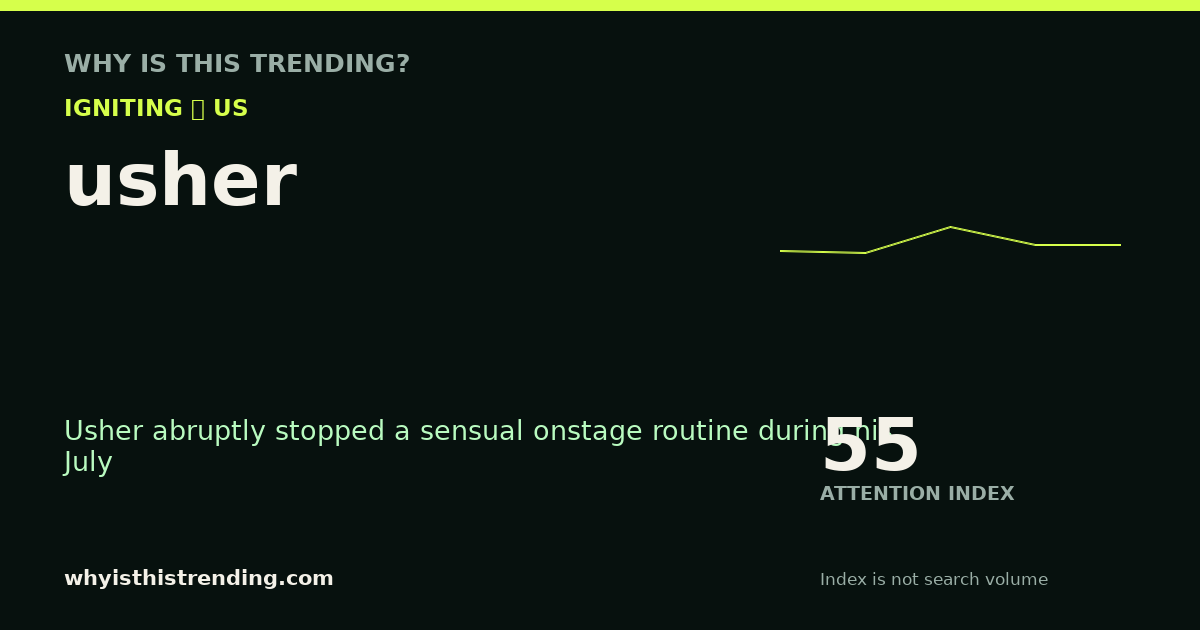
During the July 25, 2026 stop of his joint tour in Nashville, Usher quickly put a halt to a steamy performance of his 2004 track Can U Handle It?
after realizing the audience member brought onto the stage was visibly uncomfortable (Complex). The R&B superstar had invited a fan named Gabrielle Cheyenne onto the stage as part of a recurring, highly choreographed routine featuring an onstage bed prop .
As a shirtless Usher knelt and engaged in his routine, the dynamic shifted. Concert footage shows the fan growing stiff and unresponsive as the interaction progressed (Complex). Recognizing the palpable tension, Usher stopped singing, backed away, and addressed the arena with a bemused expression. I don’t think she want to be on the stage,
he remarked to the crowd before signaling for her to be escorted off (Complex).
This live-performance pivot highlights the unique vulnerability inherent in modern arena spectaculars. When artists pull everyday people out of the crowd, they introduce an unpredictable human element that no amount of rehearsal can fully script. In this case, the friction between the tour's high-production choreography and an unprepared spectator created an immediate break in the show's polished illusion.
From Stadium Stage to Social Media Feed
The real-time boundary check immediately translated into digital fuel. Within hours of the Friday night performance, fan-captured videos circulated heavily across platforms like Instagram and TikTok, drawing thousands of critical comments dissecting the woman's body language and asking why she accepted the invitation if she felt hesitant (Complex).
This digital amplification demonstrates how quickly unscripted live events can morph into broader cultural debates about concert etiquette. While some viewers debated whether the performer handled the awkward encounter respectfully (Complex), others focused on the inherent unpredictability of bringing everyday audience members into high-production routines. The incident reflects a broader reality of modern concert culture: every inch of a multi-city tour is constantly monitored, recorded, and re-contextualized by thousands of pocket-sized cameras before the house lights have even come up.
The Fan Claps Back
The conversation took a sharp turn when Cheyenne addressed the online backlash directly on Facebook and Instagram Stories (Complex). According to her statements, she and her mother were sitting in floor seats before Usher’s production team approached them and upgraded them to VIP without detailing what would happen during the show (Complex).
First off NOBODY is declining to go on stage. I looked good asf, you think I wasn’t going to let THOUSANDS of people see me?
Gabrielle Cheyenne via Complex
Her mother also entered the digital discourse, sharing supportive posts and a photo showing Cheyenne posing alongside Usher’s wife after the performance to signal that there were no lingering hard feelings off-stage (Complex). This public defense reframed the narrative from a simple stage mismatch into a broader discussion about consent, surprise backstage logistics, and the vitriol often directed at private citizens thrust into sudden digital fame.
Signal Versus Noise in Concert Viral Moments
When evaluating why an incident like this captures sustained attention, it helps to separate the fleeting social media noise from the structural reality of modern live tours. Concerts featuring interactive fan segments always carry an element of risk, relying on split-second chemistry between seasoned entertainers and unprepared spectators.
The viral reaction tells us less about a manufactured controversy and more about how audiences consume live performance through a digital lens. Viewers often project their own expectations onto participants, transforming a brief, awkward concert pivot into a multi-day online discussion while the tour continues its scheduled run . Ultimately, the intense focus on a single halted serenade illustrates our collective fascination with unscripted human friction in an otherwise hyper-managed entertainment ecosystem.