The Mechanics of a Modern Cultural Broadcast
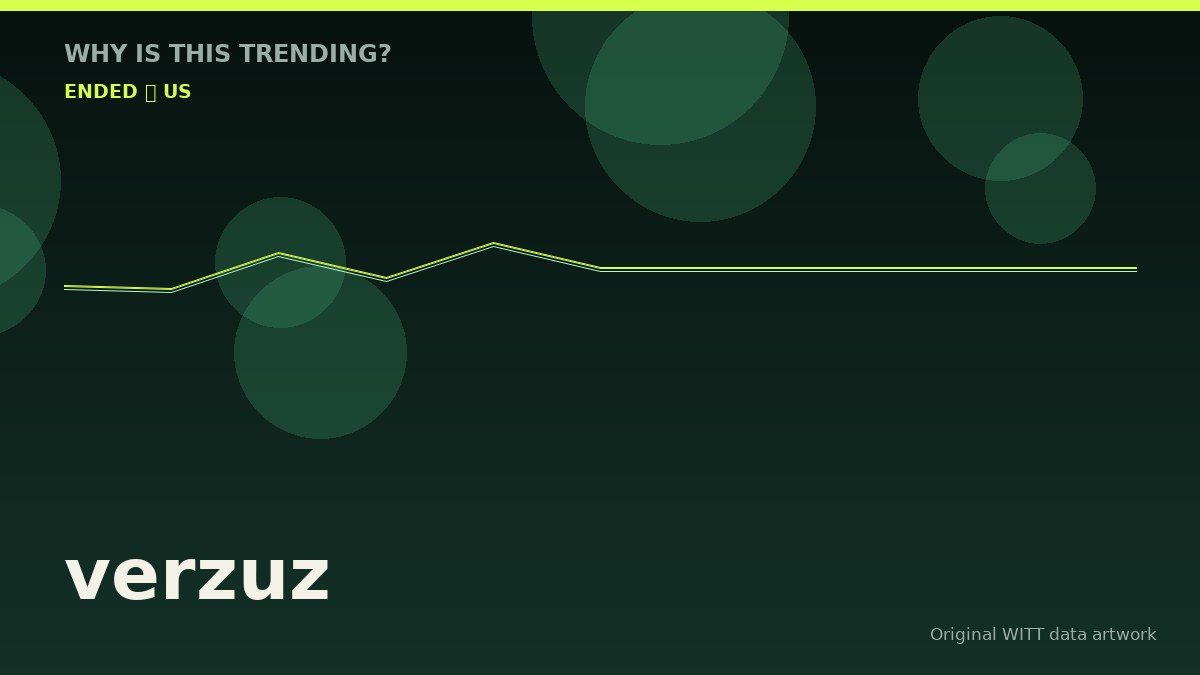
The spike in public interest surrounding the July 23, 2026, Verzuz battle between YG and The Game serves as a case study in how digital-era event programming functions. Rather than relying on conflict, the event—dubbed "Compton Forever"—leveraged the legacies of two West Coast rap icons to turn a performance into a participatory experience. The attention peaked during the broadcast window, confirming that the primary driver was the event itself, streamed across Complex, Apple Music, and Verzuz platforms.
It is important to distinguish this surge from mere search-volume noise. The event was a planned cultural milestone. By integrating real-time voting mechanisms, the organizers transformed the audience from passive viewers into active participants. As noted in the event's official scorecard, these results were explicitly framed as reflections of fan love rather than official win-loss declarations, effectively neutralizing the toxicity often associated with competitive rap battles and replacing it with a celebratory atmosphere.
The broadcast featured 10 rounds of music, with fans casting votes in real-time for their preferred tracks. By creating a space where the music took center stage, the platform converted listeners into active voters, creating a feedback loop that sustained the attention spike throughout the night.
Signal vs. Noise: Separating the Narrative
In the hours leading up to the event, an external development surfaced: reports that YG had been briefly detained by law enforcement in connection with an ongoing homicide investigation. While this news generated its own momentum, the attention spike remained tethered to the broadcast time, suggesting that the audience was primarily invested in the artistic legacy of the performers.
Furthermore, the release of the collaborative single "Red People" on the day of the event acted as a strategic signal. Featuring both artists alongside Verzuz founders Swizz Beatz and Timbaland, the track served as a "family affair" that reinforced the collaborative nature of the evening. This release was a tactical piece of marketing that aligned the artists' current creative output with their historical catalogs, ensuring that the "Compton Forever" theme felt cohesive.
The Value of Legacy and Participation
The success of this specific Verzuz iteration highlights a shift in how fans engage with hip-hop history. By positioning the battle as a celebration of Compton’s musical lineage, the organizers tapped into a broader appreciation for the catalogs of both artists. The event showcased a wide range of hits, including The Game’s "Westside Story" and "How We Do," alongside YG’s "Who Do You Love?" and "Toot It and Boot It."
This structure allowed the event to transcend the typical "who is better" debate, instead offering a journey through the evolution of the West Coast sound. The inclusion of collaborative tracks and tributes to figures like Nipsey Hussle grounded the battle in community history, ensuring that the event felt like a communal archive rather than a confrontation. By focusing on the shared cultural fabric of Compton, both artists were able to elevate their individual brands while reinforcing the stature of the West Coast scene.
Looking Ahead
The "Compton Forever" event demonstrates that the Verzuz format remains a potent vehicle for cultural engagement when it prioritizes the artist's discography. The attention spike was the result of a deliberate convergence of a high-stakes performance, a synchronized music release, and a platform infrastructure designed to keep the audience within the ecosystem. As the series continues to evolve, the ability to maintain this balance—between the spectacle of the live stage and the substance of the music—will remain the primary indicator of its long-term relevance. Future iterations will likely continue to lean on this model of "legacy-first" programming, as it provides a sustainable framework that avoids the volatility of celebrity drama while maximizing the emotional resonance of the music itself.