Understanding the Multi-Regional Surge
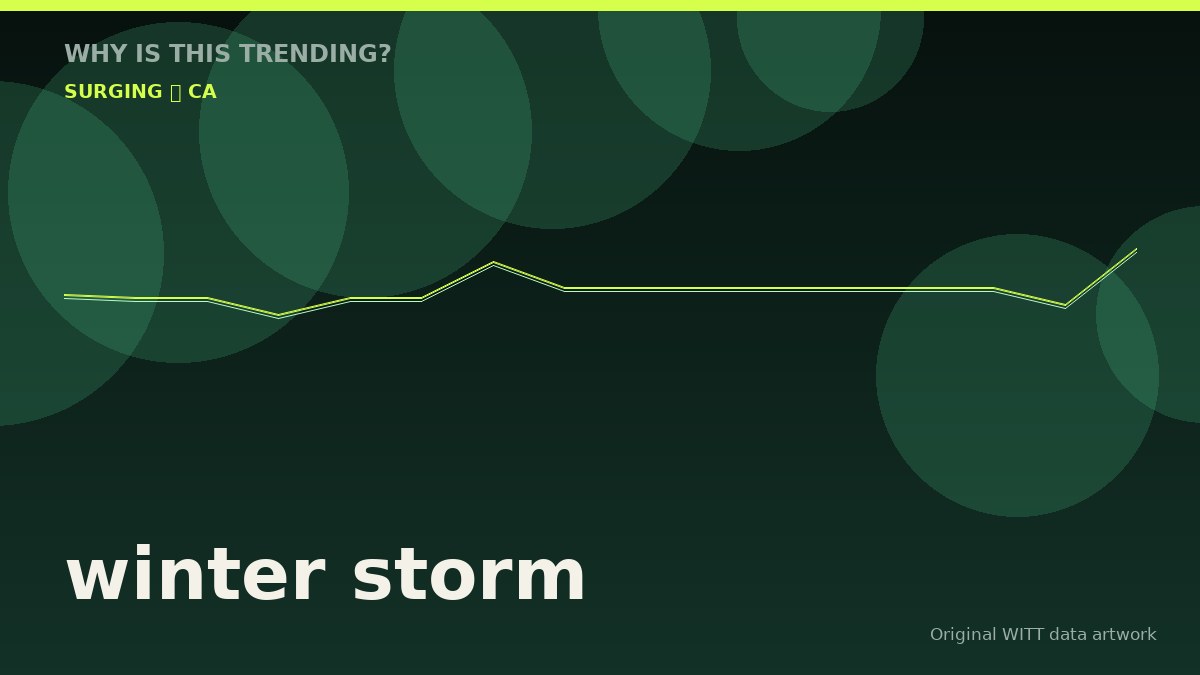
When aggregate search interest spikes around broad meteorological terms like winter storm,
it is easy to assume a massive, singular weather front is sweeping across the map. In reality, Google Trends aggregates independent search behaviors that span multiple distinct geographical regions and unrelated weather patterns. What looks like a unified wave of digital curiosity on a dashboard is actually a mosaic of localized recovery efforts, seasonal transitions, and emergency preparations happening all at once across different hemispheres and microclimates.
As October unfolds, communities thousands of miles apart are dealing with their own distinct atmospheric realities. From coastal recovery on the U.S. Eastern Seaboard to early snow tracking in Alaska, severe cold fronts in the Southern Hemisphere, and flood-watch preparations in Texas, disparate populations are triggering regional interest under a shared terminology. Aggregate search data reflects this collective attention, capturing the simultaneous psychological and practical reactions of people facing very different local skies, municipal infrastructure pressures, and seasonal shifts.
Regional Breakdowns Driving the Trend
The current rise in search volume is anchored by several concrete, localized events happening across distinct geographies:
- New Jersey, United States: State officials officially ended a state of emergency following a destructive weekend nor'easter (GovTech). Leadership emphasized the urgency of repairing severe beach and coastal infrastructure damage before future winter storms arrive.
- Anchorage and Alaska: The state experienced its first official trace snowfall and light accumulation, with temperatures dropping and a hard freeze heading into the region, shifting local mindsets toward colder weather (Alaska's News Source).
- Southeastern Australia: Emergency authorities issued widespread severe weather warnings after a powerful cold front swept across Victoria, South Australia, New South Wales, and the Australian Capital Territory, bringing heavy rain and damaging winds (Australia Times).
- Central Texas: Residents anticipated multiple inches of rainfall with localized flooding risks. Local hardware suppliers noted that community members are buying emergency gear proactively, keeping lessons from past winter storms in mind (25 News KXXV and KRHD).
Signal Versus Noise: Separating Preparation from Panic
When analyzing search trends, it is vital to separate routine seasonal anxiety from active crisis indicators. Much of the current digital engagement stems from psychological priming. For instance, hardware managers in Texas noted that shoppers are buying flashlights, sandbags, and trash pumps ahead of heavy rain specifically because from the winter storms from a few years ago, it seems like people are proactive these days, getting ready for this kind of stuff
(25 News KXXV and KRHD).
Similarly, public declarations by public officials—such as New Jersey leaders stressing the need to fortify coastlines before the next heavy freeze or snow event—drive informational searches as residents look up recovery funding, beach replenishment projects, and long-term forecasts. This is a classic signal of post-disaster vigilance rather than panic over an immediate blizzard. People are using digital tools to gauge vulnerability, check local emergency declarations, and determine whether municipal infrastructure can handle the next seasonal swing. Google Trends reflects this global tapestry of vigilance, showing how human behavior adapts when separate communities face nature simultaneously.
What to Watch Next
Because search interest is an aggregate metric rather than a scientific proof of a single cause, tracking future attention requires looking at how local municipal responses unfold. In places like the U.S. Mid-Atlantic, federal and state engineering teams are actively reviewing beach erosion and planning potential emergency replenishment work. In Alaska and the Pacific Northwest, early-season freeze patterns, rising river crests, and coastal storms will continue to dictate local search volumes as autumn progresses into winter.
If you live in a region transitioning into colder weather, the best approach is to monitor official local meteorological updates rather than relying on broader national search trends, which mix international weather events with local forecasts. Keep an eye on local emergency management briefings to separate actionable warnings from generalized digital noise, ensuring you stay informed about the specific atmospheric conditions impacting your backyard.