Why The X-Files Is Back in the Spotlight
Eighteen years after it first divided fans in cinemas, the second big-screen outing for Fox Mulder and Dr. Dana Scully is getting a second life. Attention spiked across search engines and entertainment newsrooms following the release of new promotional material for The X-Files: I Want to Believe – Vrach Frankenshteyn. This newly re-edited and R-rated director's cut is scheduled to premiere on August 14, 2026, across both Disney+ and Hulu, alongside the original theatrical version.
For longtime followers of the franchise, the arrival of this version represents much more than standard streaming filler. It rectifies a long-standing creative friction point from the late 2000s, giving series creator Chris Carter the chance to present the material without studio-mandated compromises. The simultaneous drop of trailers, posters, and press releases across outlets like IGN, Gizmodo, and LaughingPlace.com drove an immediate and concentrated surge in fan engagement.
What Changed in Vrach Frankenshteyn?
When The X-Files: I Want to Believe debuted in July 2008, it arrived six years after the parent television series concluded its original run on Fox. Rather than leaning into sprawling alien mythologies, that film chose a grounded, standalone supernatural mystery centered on faith, science, redemption, and the emotional connection between Mulder and Scully. While it made back its budget, it received weak reviews from critics and underperformed compared to the 1998 feature film.
However, the theatrical cut did not fully reflect Carter's initial intentions. Studio executives at 20th Century Fox pushed back against the intensity of the footage, forcing a PG-13 rating that clipped much of the gore and horror. As Carter explained regarding the upcoming release:
I made it too scary, and I was told so by the brass at [20th Century] Fox, and they wanted a PG-13 movie. Now I have a chance to go back and make the scary movie that I always intended ... It’s not just doing a director’s cut to do a director’s cut. It’s really kind of bringing to life something that for me was on the page and never got to the screen.
LaughingPlace.com
The revised title, Vrach Frankenshteyn—incorporating the Russian word for Victor Frankenstein—signals a heavier embrace of the film's medical experimentation and body-horror motifs. The narrative still follows Mulder (David Duchovny) and Scully (Gillian Anderson) being pulled back from retirement when a federal agent vanishes without a trace. Their sole lead is a disgraced, defrocked priest (played by Billy Connelly) experiencing disturbing psychic visions of abducted women in a harsh winter landscape. With the restored footage, the project leans hard into the chilling human monstrosity and gruesome elements that were excised from the 2008 theatrical release.
Signal Versus Noise in the Franchise Revival
It is easy to misinterpret a sudden surge in franchise chatter as proof of a single unified event. In reality, the current wave of interest stems from intersecting promotional pipelines and historic franchise nostalgia:
- The Director's Cut Release: Disney and Hulu are rolling out both the brand-new R-rated Vrach Frankenshteyn cut and the original theatrical version side by side on August 14, 2026, offering fans an explicit point of comparison.
- Concurrent Universe Developments: The franchise is experiencing parallel momentum elsewhere. A pilot episode for a prospective new Hulu series written and directed by Ryan Coogler recently finished filming, featuring a brand-new investigating duo led by Danielle Deadwyler and Himesh Patel, which has already earned enthusiastic praise from original star Gillian Anderson.
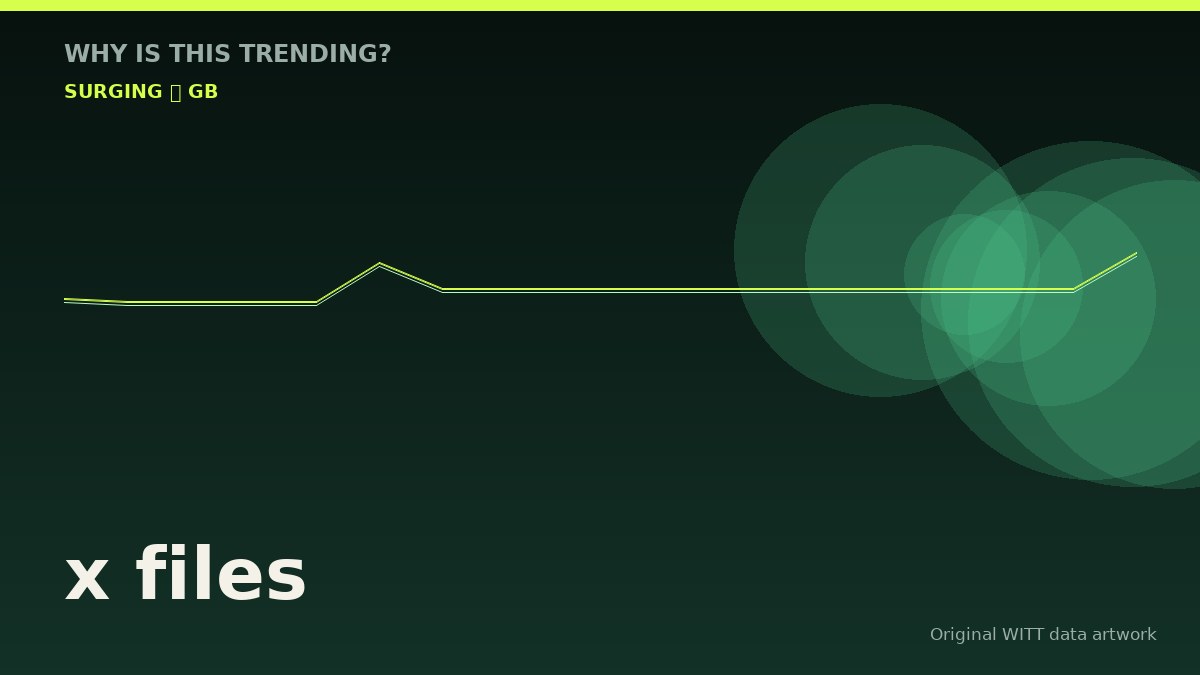
While internet discussions frequently blur these distinct projects together, the immediate spike driving search algorithms on August 4, 2026, is explicitly tied to the horror-tinged trailer drop for Carter's newly realized cinematic vision. Fans looking to re-evaluate the 2008 film will finally get to see whether the restored gore, elevator plunges, and frozen experiments transform a historically underappreciated chapter into a genuine cult triumph.