The Mechanics of an Attention Spike
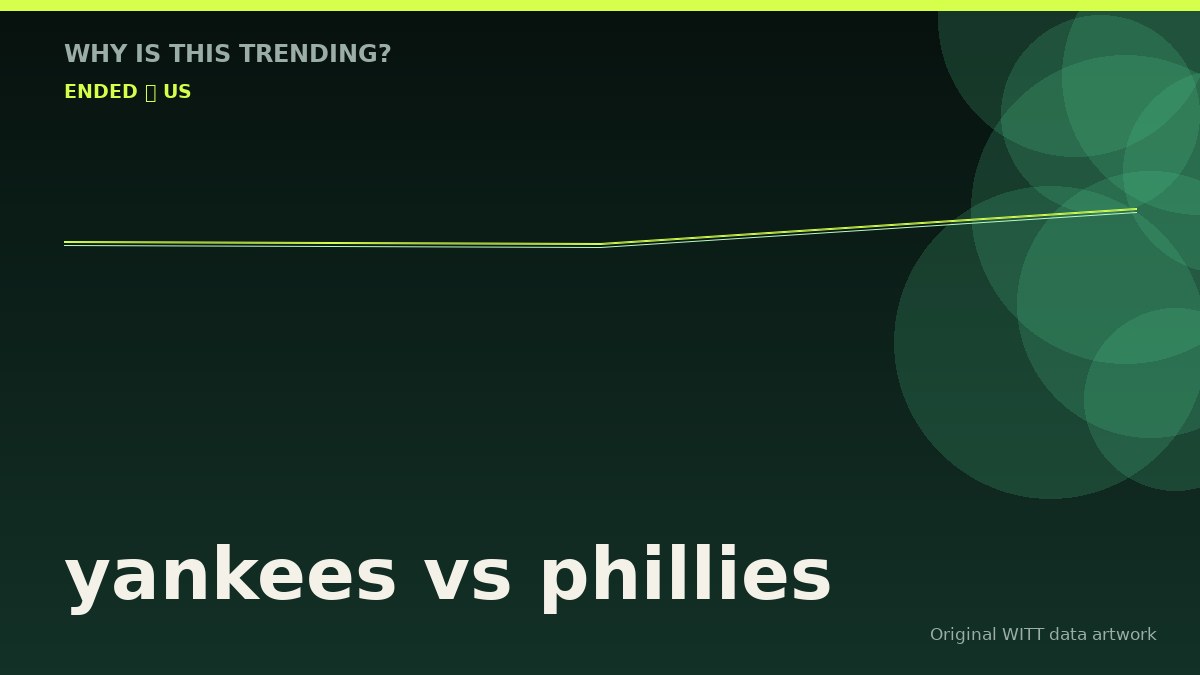
When search interest for a specific matchup like the Yankees vs. Phillies ignites, it is rarely a coincidence. On the evening of July 24, 2026, Google Trends recorded a sharp uptick in interest starting at 22:10:04 UTC. This timing corresponds precisely with the lead-up to the 6:45 p.m. ET first pitch at Citizens Bank Park. The primary driver here is accessibility: because the game was broadcast exclusively on Apple TV, fans who are accustomed to regional sports networks or traditional cable were required to navigate a different digital ecosystem to find the game.
This is a classic example of a "friction-induced" search. When a major sporting event is walled off behind a specific streaming service, the search engine becomes the primary tool for navigation. Fans are often looking for the "how-to" of consumption. This is evidenced by the proliferation of guides—such as those published by NJ.com—that explicitly detail free trial offers to help viewers access the Friday night broadcast. The search behavior is less about the teams' history and more about the immediate, logistical hurdle of accessing the live feed.
Signal vs. Noise: What Actually Moved the Needle
In the noise of modern sports coverage, it is easy to conflate general interest with specific search intent. To understand why this game trended, we have to isolate the variables that contributed to the spike:
- The Exclusive Broadcast (Signal): The Apple TV exclusivity is a significant variable. It creates a "bottleneck effect" where the audience is funneled into a single platform, triggering synchronized search behavior. This exclusivity forces a singular digital path for viewers.
- Betting Integration (Signal): The inclusion of the Yankees-Phillies matchup in updated promotional betting codes—specifically those from Kalshi—added a layer of financial incentive for users to search for the game. When users are incentivized to trade on game outcomes, their search activity often becomes more frequent.
- Recent History (Noise): While the Phillies were involved in a series against the Dodgers earlier this week, that narrative—centered on Max Muncy’s performance—is separate from the specific search spike occurring tonight. While it establishes the Phillies as a competitive team in the current discourse, it did not drive the specific "how to watch" intent seen on July 24.
The View from the Diamond
Beyond the streaming logistics, the game itself holds weight for baseball fans. The matchup features a pitching duel: Yankees right-hander Cam Schlittler, an All-Star with a 2.20 ERA, facing off against Phillies lefty Jesus Luzardo. For the observer, the combination of a marquee pitching matchup and the "Friday Night Baseball" branding creates a viewing experience that feels distinct from the standard mid-week grind.
The following table illustrates the landscape of the MLB broadcast slate for July 24, 2026, highlighting the varied accessibility of games:
| Matchup | Broadcast Channel |
|---|---|
| Rockies vs. Brewers | MLB.TV |
| Yankees vs. Phillies | Apple TV |
| Dodgers vs. Mets | ESPN Unlmtd, MLB.TV |
| Blue Jays vs. Red Sox | Apple TV, MLB.TV |
As the data shows, the Yankees vs. Phillies game is one of several matchups available on Apple TV. The spike in search volume is a consequence of the fragmentation of sports media rights. When a game is moved from a local channel to a global streaming platform, it shifts the audience's entire search journey, creating a concentrated surge of traffic. The reliance on search engines to bridge the gap between intent and access is a fixture of the modern fan experience.
Looking Ahead
While the current spike is tied to the immediate broadcast, it serves as a reminder of how quickly fan attention can be redirected by platform availability. As we move past the initial start time, the search intent typically transitions from "how to watch" to "live score updates" and "post-game analysis." The underlying signal—that fans are willing to engage with new platforms to follow their team—remains strong. For future matchups, expect similar spikes whenever high-profile teams are placed behind exclusive streaming walls, as the search engine remains the most reliable map for the modern, cord-cutting baseball fan.